to Practice With.
Meet EngVartaEnglish Speaking Practice App
Practice spoken English with real people.
Live 1-on-1 with certified English experts.
10-min session • 100% refundable





English Expert

Happy Learner

Happy Learner

Happy Learner

Happy Learner

Happy Learner

How EngVarta Works
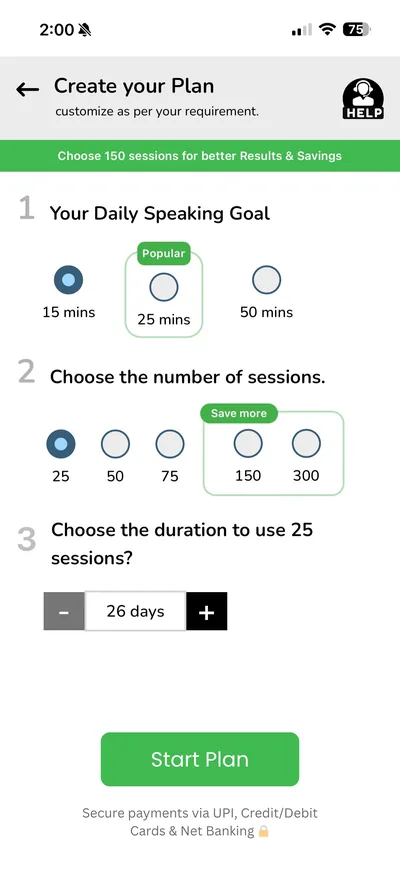
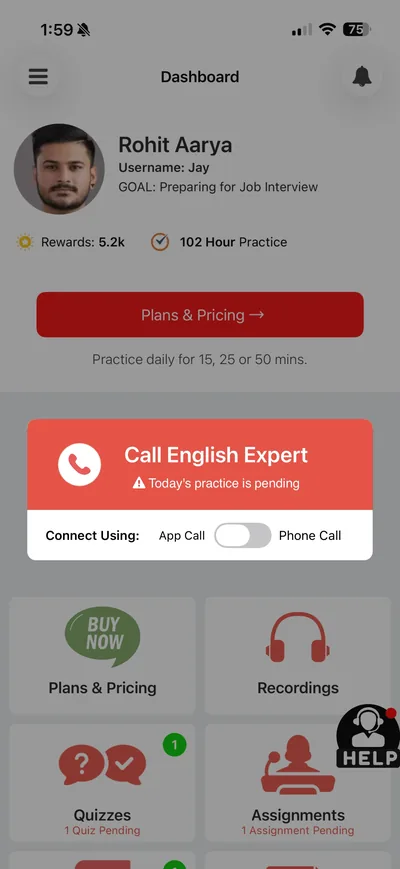
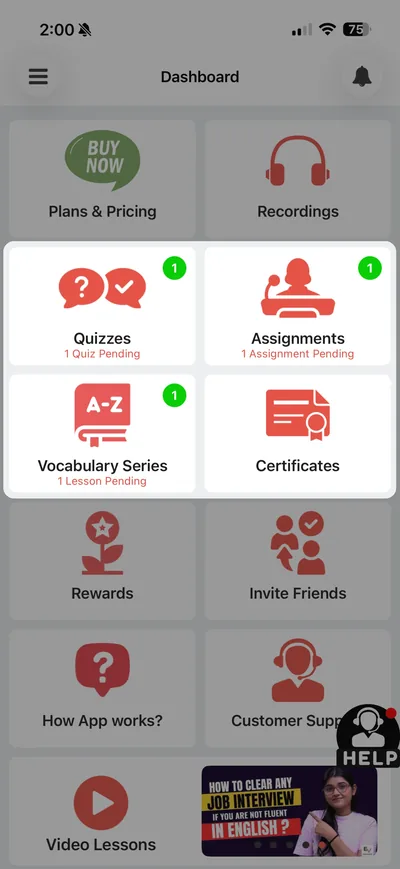
EngVarta makes online English conversation practice simple. Start a live 1-on-1 session with a real expert in under 2 minutes.


Ashish Pandey
Founder, EngVarta
“I've watched over 2 million learners go through the same struggle.”
The grammar they know but can't use. The confidence that comes and goes. The fear of being judged every time they open their mouth.
Learning English isn't a straight line. It's messy. Words you forget by tomorrow. Confidence that builds on Monday and disappears by Wednesday.
You're managing a hundred things already. You don't need another course. You don't need another app.
You need someone who shows up when you do.
Someone who adapts to your pace, your schedule, your life. Who keeps you going — without pressure. Who's there 7 AM to midnight, every single day.
That's why I built EngVarta.
The results come from consistency. We give you the structure to stay consistent.
— Ashish Pandey
Founder & CEO, EngVarta • Est. 2017
“I've watched over 2 million learners go through the same struggle.”
The grammar they know but can't use. The confidence that comes and goes. The fear of being judged every time they open their mouth.
Learning English isn't a straight line. It's messy. Grammar rules that contradict each other. Words you forget by tomorrow. Confidence that builds on Monday and disappears by Wednesday.
You're managing a hundred things already. You don't need another English course. You don't need another app.
You need someone who shows up when you do.
Someone who adapts to your pace, your schedule, your life. Who keeps you going — without pressure. Who's there 7 AM to midnight, every single day.
Your English speaking expert is there when you need them. No rigid schedules. No judgement. Just consistent, real English speaking practice that fits around your life.
That's why I built EngVarta.
The results come from consistency. We give you the structure to stay consistent.
— Ashish Pandey
Founder & CEO, EngVarta • Est. 2017
Built for Every Kind of Learner





Our learners work at

































Ready for spoken English practice online? Start with a $1 trial.
10-min session. 100% refundable.
Not Just English Speakers.
Certified Language Trainers.
They know the difference between knowing English and speaking it — and they're trained to close that gap.
10 Lakh+
Sessions completed
4.8★
Average expert rating
“EngVarta was born when there was no ChatGPT, when there was no list of apps for practice. Most trusted company and trainers.”
 EngVarta learner, on Instagram
What Learners Say About Us
“I have completed 100 sessions. Today I can speak confidently with anyone and this confidence is a gift from EngVarta.”
“Best way to learn to speak English. It has boosted my confidence. I feel like now nobody can stop me on the way to succe...”Read more
“EngVarta provides the best platform for learners to get comfortable with the language by offering a judgment-free enviro...”Read more
“Great app for learning English speaking. All the experts are supportive and non-judgemental. After every session, constr...”Read more
“Excellent initiative and innovative app. Really user friendly and helps in improving English speaking. Very good support...”Read more
“It's an incredible app. It builds my confidence to speak English fluently, gives you practice to start your conversation...”Read more
“I don't think there's any other English learning app in India that comes remotely close to EngVarta. The quality of the...”Read more
“I've been using this app for five months now. Among all online options, this application stands out as the best. Consist...”Read more
“I have been using EngVarta for three months and I feel a considerable difference in how I was speaking earlier and now....”Read more
“A great place to learn and practice English fluency. You get a chance of one-on-one communication with experts. They'll...”Read more
“EngVarta is a platform where we start from level 0 to level 100. There are so many ways they try to teach you until you...”Read more
“I installed this app because ChatGPT recommended it and I find it quite good for speaking practice. Experts are professi...”Read more
“It is really helpful to upgrade myself. Daily vocabulary, daily assignments, and talking to experts completely helps ove...”Read more
“Wonderful! English is learned more by speaking than by being taught. So this is the best platform I think. You get a cha...”Read more
“Best app for English communication. I have tried lots of English speaking apps till date but this is really the best. Be...”Read more
“This app is amazing, it's helpful and good. The tutors are very excellent. I am improving and don't shy anymore.”
“I have completed 100 sessions. Today I can speak confidently with anyone and this confidence is a gift from EngVarta.”
“Best way to learn to speak English. It has boosted my confidence. I feel like now nobody can stop me on the way to succe...”Read more
“EngVarta provides the best platform for learners to get comfortable with the language by offering a judgment-free enviro...”Read more
“Great app for learning English speaking. All the experts are supportive and non-judgemental. After every session, constr...”Read more
“Excellent initiative and innovative app. Really user friendly and helps in improving English speaking. Very good support...”Read more
“It's an incredible app. It builds my confidence to speak English fluently, gives you practice to start your conversation...”Read more
“I don't think there's any other English learning app in India that comes remotely close to EngVarta. The quality of the...”Read more
“I've been using this app for five months now. Among all online options, this application stands out as the best. Consist...”Read more
“I have been using EngVarta for three months and I feel a considerable difference in how I was speaking earlier and now....”Read more
“A great place to learn and practice English fluency. You get a chance of one-on-one communication with experts. They'll...”Read more
“EngVarta is a platform where we start from level 0 to level 100. There are so many ways they try to teach you until you...”Read more
“I installed this app because ChatGPT recommended it and I find it quite good for speaking practice. Experts are professi...”Read more
“It is really helpful to upgrade myself. Daily vocabulary, daily assignments, and talking to experts completely helps ove...”Read more
“Wonderful! English is learned more by speaking than by being taught. So this is the best platform I think. You get a cha...”Read more
“Best app for English communication. I have tried lots of English speaking apps till date but this is really the best. Be...”Read more
“This app is amazing, it's helpful and good. The tutors are very excellent. I am improving and don't shy anymore.”
“This app is amazing, it's helpful and good. The tutors are very excellent. I am improving and don't shy anymore.”
“Best app for English communication. I have tried lots of English speaking apps till date but this is really the best. Be...”Read more
“Wonderful! English is learned more by speaking than by being taught. So this is the best platform I think. You get a cha...”Read more
“It is really helpful to upgrade myself. Daily vocabulary, daily assignments, and talking to experts completely helps ove...”Read more
“I installed this app because ChatGPT recommended it and I find it quite good for speaking practice. Experts are professi...”Read more
“EngVarta is a platform where we start from level 0 to level 100. There are so many ways they try to teach you until you...”Read more
“A great place to learn and practice English fluency. You get a chance of one-on-one communication with experts. They'll...”Read more
“I have been using EngVarta for three months and I feel a considerable difference in how I was speaking earlier and now....”Read more
“I've been using this app for five months now. Among all online options, this application stands out as the best. Consist...”Read more
“I don't think there's any other English learning app in India that comes remotely close to EngVarta. The quality of the...”Read more
“It's an incredible app. It builds my confidence to speak English fluently, gives you practice to start your conversation...”Read more
“Excellent initiative and innovative app. Really user friendly and helps in improving English speaking. Very good support...”Read more
“Great app for learning English speaking. All the experts are supportive and non-judgemental. After every session, constr...”Read more
“EngVarta provides the best platform for learners to get comfortable with the language by offering a judgment-free enviro...”Read more
“Best way to learn to speak English. It has boosted my confidence. I feel like now nobody can stop me on the way to succe...”Read more
“I have completed 100 sessions. Today I can speak confidently with anyone and this confidence is a gift from EngVarta.”
“This app is amazing, it's helpful and good. The tutors are very excellent. I am improving and don't shy anymore.”
“Best app for English communication. I have tried lots of English speaking apps till date but this is really the best. Be...”Read more
“Wonderful! English is learned more by speaking than by being taught. So this is the best platform I think. You get a cha...”Read more
“It is really helpful to upgrade myself. Daily vocabulary, daily assignments, and talking to experts completely helps ove...”Read more
“I installed this app because ChatGPT recommended it and I find it quite good for speaking practice. Experts are professi...”Read more
“EngVarta is a platform where we start from level 0 to level 100. There are so many ways they try to teach you until you...”Read more
“A great place to learn and practice English fluency. You get a chance of one-on-one communication with experts. They'll...”Read more
“I have been using EngVarta for three months and I feel a considerable difference in how I was speaking earlier and now....”Read more
“I've been using this app for five months now. Among all online options, this application stands out as the best. Consist...”Read more
“I don't think there's any other English learning app in India that comes remotely close to EngVarta. The quality of the...”Read more
“It's an incredible app. It builds my confidence to speak English fluently, gives you practice to start your conversation...”Read more
“Excellent initiative and innovative app. Really user friendly and helps in improving English speaking. Very good support...”Read more
“Great app for learning English speaking. All the experts are supportive and non-judgemental. After every session, constr...”Read more
“EngVarta provides the best platform for learners to get comfortable with the language by offering a judgment-free enviro...”Read more
“Best way to learn to speak English. It has boosted my confidence. I feel like now nobody can stop me on the way to succe...”Read more
“I have completed 100 sessions. Today I can speak confidently with anyone and this confidence is a gift from EngVarta.”
Hear It From Our Learners
Real learners sharing how EngVarta helped them improve their English communication and confidence.


Try Your First Session for $1.
100% Refundable.
A 10-minute session on the best English speaking practice platform, shaped entirely around you. If you don't feel the difference — get your money back. No questions.
Start My $1 Trial →100% refundable on request. Applies to the trial session only.
Real human support, 7 AM to midnight. Not a chatbot.