Best English-Speaking Practice Apps for 2025 (Updated 2026)

The 5 Best English-Speaking Practice Apps for 2025

Speaking English fluently is no longer a luxury—it has become a necessity in today’s global world. Whether you want to speak confidently at work, crack the IELTS speaking test, travel abroad, or hold smooth daily conversations, choosing the right English-speaking practice app can completely change your learning journey.

Earlier, improving spoken English meant joining expensive coaching centres or memorising grammar rules. Today, technology has simplified everything. With just a smartphone, you can practise spoken English anytime, anywhere, receive instant AI feedback, and build confidence step by step. That’s why English-speaking practice apps in 2026 are becoming the most effective way to achieve fluency.

In this blog, we review and compare the Best English-Speaking Practice Apps to help you choose the one that matches your goals.

Why Use the best English-Speaking Practice App?

Spoken English cannot be mastered by reading books alone. Fluency comes from:

  • Speaking regularly
  • Listening to real conversations
  • Making mistakes and correcting them

English-speaking practice apps recreate real-life situations where you can practise without fear of judgment. They provide structured speaking opportunities, instant corrections, and gradual confidence-building—something traditional learning methods often lack.

Top English-Speaking Practice Apps 

1. EngVarta – Best for Real-Life Speaking Confidence

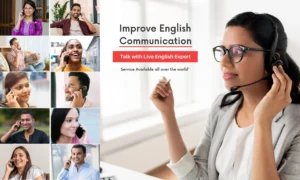
If you understand English but hesitate while speaking, EngVarta can be a game changer. This app connects you with live English experts for real conversations anytime between morning and midnight.

Unlike theory-based apps, EngVarta focuses purely on spoken English practice, helping you think directly in English instead of translating from your native language.

Key Features:

  • Live one-on-one conversations with English experts
  • Real-time mistake correction
  • Flexible practice timings

Best For:
Beginners, working professionals, and anyone struggling with confidence while speaking English.

Why we recommend it:

EngVarta ranks among the Best English-Speaking Practice Apps in India because it focuses on real-life spoken English, building your confidence to speak naturally at work, interviews, or social situations without feeling nervous.

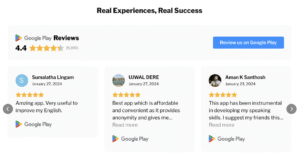
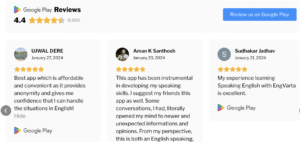
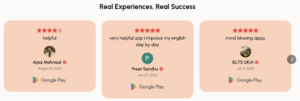
EngVarta Google Play user reviews screenshot showing 4.4 star rating from 9,100+ users for English speaking practice app

🔗 Download EngVarta:
Download for Android | Download for iOS

EngVarta

2. FixoLang – Best for IELTS Speaking Preparation

Preparing for IELTS speaking can be stressful, but FixoLang makes it structured and exam-focused. The app simulates the actual IELTS speaking test environment using cue cards and timed responses.

Its AI evaluates your answers instantly and provides a predicted IELTS band score, helping you identify weak areas before the real exam.

Key Features:

  • IELTS-style speaking mock tests
  • Cue card practice with time limits
  • AI-based band score prediction

Best For:
IELTS aspirants aiming for a high speaking band.

Why we recommend it:

FixoLang stands out as one of the Best English-Speaking Practice Apps for IELTS aspirants who want realistic practice, targeted feedback, and confidence to perform well on exam day.

Trusted by IELTS learners for real speaking practice

Real Learners. Real IELTS Speaking Progress.

Download FixoLang:
Download for Android | Download for iOS

3. BoldVoice

Pronunciation plays a major role in clear communication. BoldVoice emphasizes pronunciation and accent training through lessons crafted by expert accent coaches

The app uses IPA phonetics, mouth diagrams, and AI feedback to help you correct pronunciation errors before they become habits.

Key Features:

  • Accent and pronunciation coaching
  • AI-powered speech feedback
  • Stress, intonation, and sound training

Best For:
Learners who want clearer pronunciation and a more natural English accent.

4. HelloTalk

HelloTalk offers a unique language exchange experience by connecting you with native English speakers worldwide. You can Messaging, audio messages, video chats with proficient speakers, expressions, and sayings. Learners looking for informal, impromptu conversations.

Although it doesn’t follow a fixed syllabus, it provides authentic, real-world English exposure.

Key Features:

  • Conversations with native speakers
  • Cultural learning, slang, and idioms
  • Voice and video chat options

Best For:
Intermediate learners who want natural conversations and cultural understanding.

5. Promova 

If you’re a beginner or have a busy schedule, Promova is a great option. It offers short, bite-sized lessons focused on everyday conversation topics like travel, shopping, and introductions.

Key Features:

  • Daily mini-lessons
  • Practical vocabulary and dialogues
  • Easy-to-use interface

Best For:
Beginners and learners who want consistent daily English practice.

Comparison of Best English-Speaking Practice Apps 

App Name Best For Key Features Ideal Users
EngVarta Real-life speaking fluency Live calls with English experts, real-time corrections, confidence-building conversations Working professionals, students, beginners who hesitate while speaking
FixoLang IELTS Speaking preparation IELTS-style mock tests, cue cards, AI evaluation, predicted band score IELTS aspirants aiming for high speaking bands
BoldVoice Pronunciation & accent Hollywood accent coaching, IPA-based lessons, AI pronunciation feedback Learners focusing on clarity, accent, and pronunciation
HelloTalk Cultural immersion & conversation Chat, voice notes, video calls with native speakers, slang & idioms Learners who want natural, informal conversations
Promova Daily practice & beginners Bite-sized lessons, everyday vocabulary, realistic dialogues Beginners, busy learners, casual English users

Speak English Confidently with the Right App

Fluency is not built overnight. It is built with consistent practice, exposure to real conversations, instant feedback, and gradual confidence. These Best English-Speaking Practice Apps for 2026 give you exactly that – a safe, structured, and effective path to become a fluent English speaker.

Whether your goal is to ace IELTS, speak confidently in meetings, build an international accent, or hold casual conversations fluently, these apps make it achievable. Among them, EngVarta and FixoLang stand out for building practical fluency and targeted IELTS speaking skills, while BoldVoice, HelloTalk, and Promova complement your journey with pronunciation mastery, cultural immersion, and vocabulary building.

Ready to start your journey?

Practice today with these Best English-Speaking Practice Apps and transform your hesitation into fluent, confident expression in every sphere of life.

Conclusion

Proficiency in English now focuses on applying the language with confidence in everyday situations rather than just memorizing rules. With the right English-speaking practice app like EngVarta, you can overcome hesitation, improve pronunciation, and communicate clearly without fear. EngVarta connects you with live English experts for real conversations, making learning flexible, interactive, and personalized so you can practise anytime and anywhere.

Whether you’re preparing for IELTS, aiming to speak confidently at work, refining your accent, or simply wanting smooth everyday conversations, apps like EngVarta offer practical tools to help you succeed. From live expert conversations and AI-driven feedback to cultural immersion and bite-sized lessons, each app supports a different stage of your learning journey.

Consistency is the real key. Choose the app that matches your goals, practise regularly, and trust the process. With daily effort and the right support from EngVarta, fluent and confident English is not just possible—it’s inevitable.

Frequently Asked Questions

How to Overcome IELTS Speaking Anxiety Using Mobile Apps

How to Overcome IELTS Speaking Anxiety Using Mobile Apps

For many IELTS candidates, the Speaking section doesn’t feel like a test of English—it feels like a test of nerves. You might know grammar. You might have vocabulary. You might even understand the question perfectly. Yet the moment the examiner looks at you and the timer starts ticking, your mind goes blank, your voice shakes, and the simplest answers feel difficult.

If that sounds familiar, you’re not alone. Overcome IELTS Speaking Anxiety is one of the most common reasons capable learners score lower than they deserve. The issue is rarely “bad English.” It’s usually stress, hesitation, fear of making mistakes, and lack of real speaking exposure.

This guide breaks down:

  • Why anxiety happens during the IELTS speaking interview
  • How to reduce IELTS speaking stress with mental preparation strategies
  • How to build confidence for IELTS speaking through practical habits
  • How mobile apps—especially the Fixolang app—support calmness, fluency, and exam readiness
  • Where Fixolang is available (Android + Apple App Store)

If you want a clear, repeatable plan to speak confidently under pressure, this blog is for you.

How do I overcome IELTS Speaking Anxiety?

To overcome IELTS speaking nervousness, practice speaking daily under timed conditions, use calm-breathing techniques before speaking, stop aiming for perfection, and train structured answers. Apps like Fixolang help by providing exam-style speaking prompts, timed practice, and consistent routines that reduce fear and hesitation.

Why IELTS Speaking Anxiety Happens (And Why It’s Normal)

The IELTS Speaking Test is a live interview. Humans are wired to feel stress when being judged in real-time. This is not weakness—it’s biology.

Common triggers of anxiety during the IELTS speaking interview

  • Fear of being judged by the examiner
  • Fear of mistakes (“What if I say something wrong?”)
  • Fear of accent (“Do I sound bad?”)
  • Fear of silence (“What if I pause?”)
  • Time pressure (especially in cue card Part 2)
  • Overthinking grammar while speaking

In many countries—especially India—students learn English as a subject but don’t get regular speaking opportunities. So the speaking interview becomes the first “real conversation under pressure” for many learners.

How Anxiety Affects IELTS Speaking Scores

Anxiety directly impacts the scoring criteria:

Fluency and Coherence

  • More hesitation
  • More fillers (“umm,” “actually,” “you know”)
  • Broken sentence flow
  • Short answers

Lexical Resource (Vocabulary)

  • Safe, repetitive vocabulary
  • Difficulty recalling better words under pressure

Grammar Range and Accuracy

  • Over-simple sentences because the brain avoids complexity

Pronunciation

  • Rushed speech or unclear words due to nervous breathing

In short: anxiety hides your real English level. The goal is not to “be fearless.” The goal is to perform calmly despite pressure.

The Most Common IELTS Speaking Problems (And What They Really Mean)

1) Fear: “I will sound stupid”

This fear comes from self-judgment, not from the examiner. Most candidates believe they must sound perfect. But IELTS rewards clear, natural communication, not perfection.

2) Hesitation: “I can’t think fast”

Hesitation usually comes from a lack of practice under time pressure. Your brain is trained to think slowly (writing mode), but IELTS requires real-time speaking (performance mode).

3) Anxiety: “My heartbeat increases, voice shakes”

This is a nervous system response. It can be reduced using breath control, exposure practice, and structured speaking routines.

Mental Preparation Strategies to Reduce IELTS Speaking Stress

Mental preparation is not “motivation.” It’s training your brain to stay stable under pressure.

1) Use the “Conversation Frame” (Mindset Shift)

Instead of thinking:
“I am being tested.”
Think:
“I am being understood.”

This shift lowers performance pressure instantly. The examiner is not your enemy. They are simply rating your communication.

2) Train Imperfect Speaking (Confidence Builder)

Many candidates freeze because they try to speak perfect English. That backfires.

A better rule:

  • Speak first
  • Improve later

Fluency grows through usage. Accuracy improves through feedback and repetition.

3) 20-Second Calm Breathing (Before the Interview)

Use this routine:

  • Inhale 4 seconds
  • Hold 2 seconds
  • Exhale 6 seconds
    Repeat 3 times.

It reduces nervous system activation and slows down rushed speech.

4) Visualization (Pre-test brain training)

Close your eyes for 30 seconds and imagine:

  • You greet the examiner calmly
  • You answer naturally
  • You pause without fear
  • You smile
  • You finish smoothly

This prepares your brain for the situation. It sounds simple, but it’s powerful.

5) Replace “Fear Questions” With “Action Questions”

Fear questions:

  • “What if I make mistakes?”
  • “What if I forget words?”

Action questions:

  • “How can I extend this answer?”
  • “What example can I add?”

Your brain moves toward solutions instead of panic.

Practical Strategies to Improve Confidence for IELTS Speaking

1) Use a simple answer structure (works in Part 1 and Part 3)

Answer → Reason → Example

Example:
“I prefer mornings because I feel energetic. For example, I can focus better at work early in the day.”

This structure reduces blank moments.

2) Use strategic pauses instead of fillers

A pause is not a mistake. A pause shows control.

Instead of:
“Umm… actually… you know…”

Try:
(brief pause) “That’s an interesting question. I think…”

This sounds confident and natural.

3) Prepare “topic buckets,” not memorized answers

Memorizing IELTS speaking topics with answers often sounds robotic.

Instead, prepare:

  • 4 short personal stories
  • 6 common opinions (technology, education, health)
  • 10 flexible vocabulary phrases

This makes you adaptable and reduces anxiety.

4) Practice speaking under timed conditions

IELTS is timed. Untimed practice creates fake confidence.

Daily practice should include:

  • Part 1: 10 questions, quick answers
  • Part 2: cue card, 1 minute prep + 2 minutes speak
  • Part 3: 3 deeper questions, extended answers

Apps that simulate this reduce fear faster than passive learning.

How Fixolang App Helps Overcome IELTS Speaking Anxiety

Fixolang is designed to support learners with real speaking practice, not just reading tips.

1) Builds familiarity with real IELTS speaking patterns

Anxiety reduces when your brain recognizes the format. Fixolang provides test-style prompts and cue cards so the exam doesn’t feel unknown.

Fixolang helps reduce IELTS speaking anxiety by making candidates practice exam-like speaking regularly, so the real test feels familiar.

2) Encourages daily speaking habit (the biggest confidence multiplier)

Confidence doesn’t come from one strong day. It comes from repeated practice.

Fixolang supports regular speaking routines that build:

  • comfort
  • speed of thinking
  • smoother delivery

3) Helps reduce hesitation through repeated real-time speaking

Hesitation improves when your brain learns to respond faster. Fixolang encourages repeated speaking with topic variety, helping you become flexible.

4) Improves fluency by training structured answers

Practice helps you naturally apply:

  • linking phrases
  • opinion structures
  • examples
  • smooth transitions

This improves coherence and confidence together.

5) Supports exam readiness through consistent practice

Fixolang creates “exam readiness” by training:

  • timing
  • question switching
  • cue card pressure tolerance
  • confidence under observation (even if simulated)

This reduces last-minute panic.

Fixolang App Availability

Fixolang is available on both:

So learners can do IELTS preparation at home, while commuting, or in short daily slots.

Why This Matters for IELTS Candidates in India

In India, many candidates:

  • understand English but don’t speak daily
  • feel shy speaking in public
  • lack safe practice environments
  • rely on passive learning (videos/notes)

Fixolang helps because it creates a private, consistent speaking routine that feels practical and doable—especially for students and working professionals.

A 14-Day “Calm Speaking” Plan Using Fixolang + Mental Strategies

Here’s a simple plan for fast improvement:

Days 1–3: Comfort Mode

  • Part 1 practice daily
  • Focus on calm breathing before speaking
  • Aim: speak without freezing

Days 4–7: Structure Mode

  • Answer → Reason → Example pattern
  • 1 cue card daily
  • Aim: reduce hesitation

Days 8–11: Pressure Mode

  • Timed cue cards
  • Part 3 opinion questions
  • Aim: speak under pressure without panic

Days 12–14: Exam Mode

  • Full speaking simulation style practice
  • Focus on pacing and clarity
  • Aim: calm performance confidence

This kind of routine turns anxiety into familiarity.

Follow FixoLang on social media

🟦 Facebook : https://www.facebook.com/fixolang/

📸 Instagram : https://www.instagram.com/FixoLang/

▶️ YouTube : https://www.youtube.com/@FixoLang

Final Thoughts

IELTS speaking anxiety is not proof that you’re weak at English. It’s proof that you haven’t practiced the performance skill enough under pressure.

With the right mental preparation and consistent speaking practice, nervousness becomes manageable. Confidence becomes repeatable. And your true English level starts showing in your answers.

If you commit to daily speaking—especially with structured practice support like Fixolang—you will not only improve fluency, but also walk into the speaking interview calmer and more prepared.

Frequently Asked Questions ( FAQs )

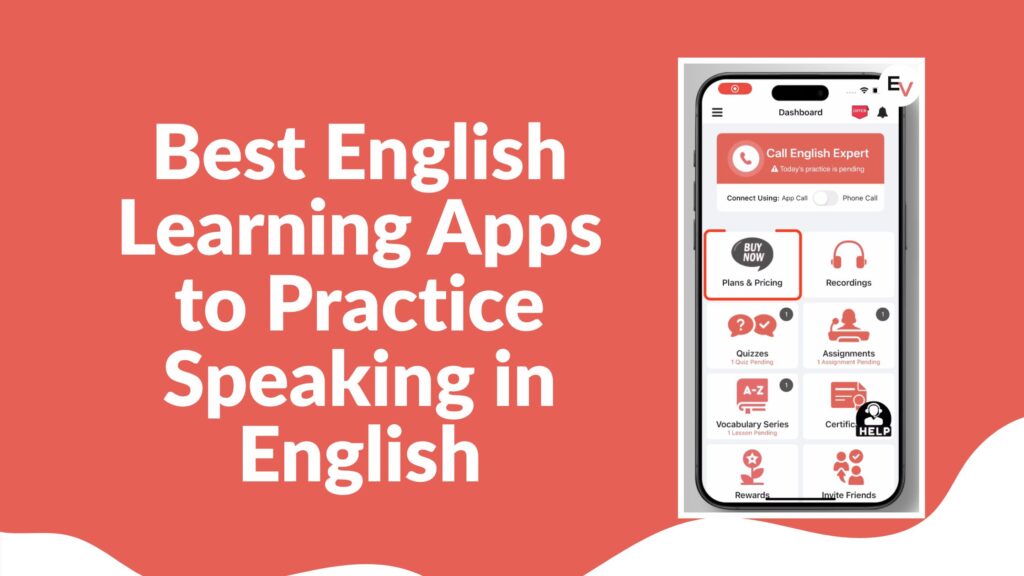
Best English Learning Apps to Practice Speaking in English (2026 Guide)

Best English Learning Apps to Practice Speaking in English

Learning to speak English fluently becomes much easier when you have a regular practice partner—but what if you don’t have one? This is where the EngVarta app makes a real difference. With EngVarta, you no longer need to rely on people around you to practice spoken English. The app connects you with live English experts, allowing you to practice speaking English directly from your smartphone anytime and anywhere.

Whether you are a beginner or someone who understands English but struggles with fluency, EngVarta acts as your personal practice partner. Through one-on-one conversations, real-time feedback, and guided speaking sessions, the app helps improve your fluency, pronunciation, vocabulary, and confidence in a practical and effective way.

Why Use English Learning Apps to Improve Speaking Skills?

English learning apps have transformed the way people practice spoken English. Unlike traditional classrooms, these apps allow learners to practice at their own pace and comfort level. They remove the fear of judgment and encourage learners to speak more freely.

Key benefits of using English learning apps:

  • Practice English anytime, anywhere
  • Learn at your own pace
  • Get instant feedback on pronunciation
  • Improve confidence through daily speaking
  • Access native-speaker conversations

For learners who feel shy or hesitant to speak English in public, mobile apps offer a safe and effective environment to build fluency.

If you want to improve your spoken English effectively, here are the best English learning apps to practice speaking English.

1. EngVarta – One-on-One Spoken English Practice

If you know English but struggle with fluency, EngVarta is one of the best apps to practice spoken English. With over a million downloads and strong ratings, it is quickly becoming a favorite among English learners.

EngVarta offers:

  • One-on-one live English practice
  • Phone-call–based English conversations
  • Certified English experts
  • Focus on fluency and accent improvement

EngVarta plans to introduce video calling features, making it even more interactive. It’s like having your personal English-speaking partner on your phone.

Best for: Beginners and daily practice
Platform: Android App, iOS App, Web

2. Duolingo – Best App for Beginners to Learn English

When it comes to learning a new language, Duolingo is one of the most popular and trusted English learning apps worldwide. It is suitable for beginners as well as advanced learners and uses smart technology to make learning fun and addictive.

Duolingo offers:

  • Grammar and vocabulary lessons
  • Speaking and pronunciation exercises
  • Daily goals, reminders, and rewards
  • Bite-sized lessons for easy learning

The app’s algorithm encourages consistency by sending reminders and adapting lessons based on your progress. If you are just starting your English-speaking journey, Duolingo is an excellent choice.

3. English Conversation – Speaking English App

The English Conversation – Speaking English app focuses mainly on real-life conversations. It includes more than 200 English conversations and videos designed to improve listening and speaking skills.

Key features include:

  • Real-life conversation practice
  • Listening and speaking sessions
  • Quizzes to test understanding
  • Progress tracking and feedback

This app is ideal for learners who want to improve comprehension and gain confidence in everyday English conversations.

Best for: Conversation practice and listening skills

4. HelloTalk – Practice English with Native Speakers

HelloTalk is a highly rated English learning app that connects learners with native speakers from around the world. It allows users to chat via text, voice messages, and audio clips.

Why HelloTalk stands out:

  • Chat with native English speakers
  • Voice messages and audio corrections
  • Built-in grammar correction tools
  • Cultural exchange with real people

Practicing English with native speakers helps learners sound more natural and confident while speaking.

Best for: Real conversations and pronunciation improvement

5. Cake – Learn Spoken English Through Videos

Yes, learning English can really feel like a piece of cake  with the Cake app. This app uses short videos, movie clips, and real-life expressions to teach spoken English.

Features include:

  • Video-based English lessons
  • Voice recording for pronunciation practice
  • Daily speaking challenges
  • Common phrases and expressions

Cake is perfect for learners who enjoy visual learning and want to sound more natural while speaking English.

Best for: Pronunciation and everyday expressions

6. Knudge Me – Smart Vocabulary & Speaking Practice

Knudge Me is a powerful English learning app based on scientific learning algorithms. It focuses on vocabulary building, which is essential for speaking fluent English.

Key highlights:

  • Flashcards and quizzes
  • Smart revision reminders
  • Personalized learning recommendations
  • Vocabulary-based speaking improvement

The app’s algorithm ensures that you revise words at the right time, helping you remember and use them confidently in conversations.

Best for: Vocabulary building and revision

How English Speaking Apps Improve Fluency Faster

English speaking apps are designed using smart algorithms and AI-driven learning models. These systems analyze your performance and suggest personalized lessons to improve weak areas.

Here’s how these apps accelerate fluency:

  • Repetition of common words and phrases
  • Listening to native accents and real-life conversations
  • Speaking practice through voice recording and live calls
  • Vocabulary reinforcement using spaced repetition
  • Daily reminders to maintain consistency

Consistent exposure and active speaking help learners think in English instead of translating from their native language.

How to Choose the Best English Learning App for You

With so many English learning apps available, choosing the right one can feel overwhelming. The best app depends on your learning goals and current English level.

Consider these factors before choosing an app:

  • Your level: Beginner, intermediate, or advanced
  • Your goal: Fluency, pronunciation, vocabulary, or confidence
  • Learning style: Videos, conversations, quizzes, or live classes
  • Time availability: Short daily sessions or long practice hours

For example:

  • Beginners should start with EngVarta or Cake
  • Fluency seekers should try EngVarta or HelloTalk
  • Vocabulary learners benefit from EngVarta 

Tips to Improve Spoken English Using Apps

Simply downloading an app is not enough. To see real improvement, you need a smart practice strategy.

Effective tips for better results:

  • Practice speaking daily, even for 10–15 minutes
  • Speak aloud instead of only reading or listening
  • Record your voice and compare pronunciation
  • Repeat common phrases and sentences
  • Don’t fear mistakes—fluency comes with practice

Consistency matters more than perfection.

Common Mistakes English Learners Should Avoid

Many learners use English apps but still struggle due to common mistakes.

Avoid these errors:

  • Focusing only on grammar instead of speaking
  • Skipping speaking exercises
  • Practicing irregularly
  • Being afraid of making mistakes
  • Not revising learned vocabulary

Fluency improves when speaking becomes a habit, not an occasional activity.

Who Can Benefit from English Speaking Apps?

English learning apps are suitable for a wide range of learners:

  • Students preparing for exams or interviews
  • Working professionals improving communication skills
  • Job seekers preparing for global opportunities
  • Travelers wanting conversational English
  • Beginners starting their English journey

No matter your age or background, English speaking apps can help you improve.

👉 Connect with EngVarta on Social Media

Instagram : 👉  https://www.instagram.com/engvarta.app/

Youtube : 👉  http://www.youtube.com/@EngVarta

Facebook : 👉  https://www.facebook.com/engvarta

LinkedIn : 👉  https://www.linkedin.com/company/engvarta

Conclusion

Improving spoken English no longer requires expensive classes or finding a physical practice partner. With the right English learning apps, you can practice speaking English anytime and anywhere. From beginner-friendly apps like EngVarta App to conversation-focused platforms like HelloTalk and Duolingo, each app offers unique tools to help you become a fluent English speaker.

The key to success is consistency. Choose an app that matches your learning style, practice daily, and don’t be afraid to speak—even if you make mistakes. With regular effort, fluency will follow.

Happy learning, and keep speaking English with confidence!

Frequently Asked Questions (FAQs)

  • Do these apps help improve pronunciation and accent?
    • Yes. The EngVarta App helps improve pronunciation and overall clarity by encouraging regular speaking practice and providing feedback during live conversations. The focus is on clear, understandable English rather than forcing a specific accent.

  • Are these English learning apps suitable for beginners?
    • Yes. The EngVarta App is suitable for beginners as well as intermediate learners. It allows users to start with simple conversations and gradually move to more advanced speaking levels at their own pace.

  • How much time does it take to get better at speaking English?
    • With daily practice on the EngVarta App, many learners start noticing improvement within a few weeks. Speaking for 15–30 minutes a day consistently helps build fluency, clarity, and confidence over time.

  • Can I learn spoken English for free using these apps?
    • Yes, you can start learning spoken English for free on the EngVarta App. It offers free access options to experience real speaking practice before choosing a paid plan for more consistent improvement.

  • Which is the best app to practice spoken English?
    • The EngVarta App is one of the best apps to practice spoken English because it focuses on real conversations with live experts. It helps learners speak daily, improve fluency, and gain confidence through practical usage rather than theory.

Best Fluent English Practice App to Boost Your Speaking Skills

Best Fluent English Practice App to Boost Your Speaking Skills

You’ve studied grammar.
Watched English movies.
Even tried repeating dialogues from a web series.

But when it’s time to speak?
You pause. You doubt. You stay quiet.

The missing link?
Not more studying — but real, consistent speaking practice.

That’s where a Fluent English Practice App can be a game-changer.
It gives you the space to speak, make mistakes, and improve — all from your phone.

Let’s look at the top apps that are helping learners become fluent, confident speakers.

1. EngVarta – Top Pick for Indian Learners

EngVarta gives you the most natural way to improve spoken English — by actually speaking with live experts over phone calls. It’s not a course or a class — it’s real-time conversation, correction, and confidence-building.

No rigid lessons. No fear of judgement. Just meaningful practice that helps you grow every day.

Why EngVarta is the Most Practical Fluent English Practice App:
Real Conversations: Talk about your day, work, or interviews — and get guided corrections.
Anytime Practice: Morning, evening, or during a tea break — speak when it suits you.
Supportive Experts: Learn in a no-pressure space where mistakes are part of growth.
Made for Indian Learners: Designed with your challenges and goals in mind.

Pros:

  • Trained English experts

  • Focused on real fluency, not just theory

  • 100% refundable trial available

Cons:

  • Not free (but offers great value for the price)

🌟 EngVarta is the Fluent English Practice App that turns shy learners into confident speakers — one call at a time.

📲 Start Your Practice Now:

🔗 Stay Connected with EngVarta:

📸 Instagramhttps://www.instagram.com/engvarta.app
📘 Facebookhttps://www.facebook.com/engvarta
▶️ YouTubehttps://www.youtube.com/@EngVarta

2. ElsA Speak

Best for: Pronunciation and fluency using AI

ElsA Speak is an AI-powered Fluent English Practice App that gives instant feedback on your pronunciation and speaking pace. If you want to sound clear and confident, this app is a good start.

Pros:

  • Smart AI corrections

  • Intonation training

  • Voice scoring system

Cons:

  • No live interaction

  • Lacks real conversation practice

3. Cambly

Best for: Practicing with native English tutors

Cambly connects you with native English speakers through live video calls. It’s ideal if you want to improve your accent, prepare for IELTS, or have professional conversations with people from around the world.

Pros:

  • Native tutors from US/UK

  • Flexible timings

  • Customized sessions for job interviews, travel, and business English

Cons:

  • Premium pricing

  • Not ideal for total beginners

4. HelloTalk

Best for: Casual language exchange with people worldwide

This app is more like a social platform for language learners. You connect with real users who want to learn your language, while they help you with English.

Pros:

  • Free and community-driven

  • Speak with users across the globe

  • Multiple chat options (text, voice, call)

Cons:

  • No structured lessons

  • May lack focus on speaking fluency

5. Duolingo (Speaking Mode)

Best for: Beginners starting with speaking practice

Duolingo now includes speaking tasks in its gamified learning journey. While it’s not a complete Fluent English Practice App, it’s great for developing the habit of speaking daily.

Pros:

  • Fun and addictive

  • Encourages consistency

  • Covers the basics of speaking

Cons:

  • Limited depth

  • No expert feedback

🧭Final Recommendation: Which App Should You Pick?

Here’s a quick summary based on your fluency goal:

Goal Recommended App
Talk to natives Cambly
Fix your pronunciation ElsA Speak
Practice fluency in real time EngVarta
Social language exchange HelloTalk
Beginner speaking habit Duolingo

But if you want a Fluent English Practice App that gives you:

✅ Real conversations
✅ Supportive experts
✅ Progress you can feel

👉 Then EngVarta is your go-to app.

🚀 Ready to Start Speaking Fluently?

📲 Download EngVarta today
💬 Speak to a live English expert
🎯 Practice daily. Grow naturally.

Because fluency isn’t taught — it’s practiced.

And the right Fluent English Practice App can take you from knowing English… to living it.

Use EngVarta & Learn How to Use Would, Could, and Should in English

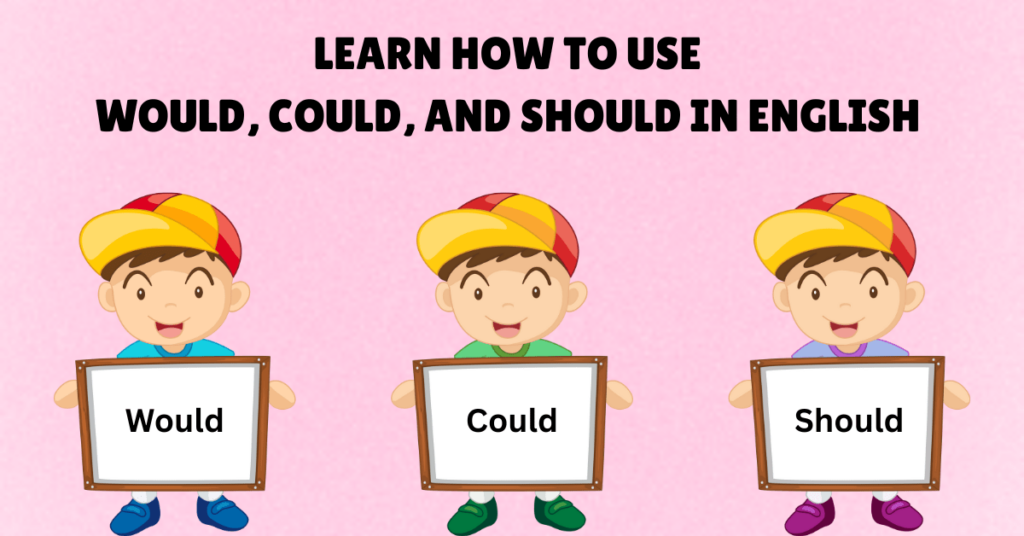
Use EngVarta & Learn How to Use Would, Could, and Should in English

Ever feel confused about when to use would, could, and should in English? You’re not alone! These little words can be tricky, but once you understand how they work, you’ll sound more fluent and confident. Let’s break them down together with simple rules and everyday examples.

What Are Modal Verbs?

Modal verbs are special helper verbs that add meaning to the main verb. They show things like possibility, ability, or advice. The stars of today’s lesson—would, could, and should—are three of the most popular ones!

When to Use Would

Use would to talk about:

  • Polite requests: Would you help me, please?
  • Imaginary or unreal situations: I would go to Paris if I had the money.
  • Future in the past: He said he would call me.
  • Wishes and desires: I would love a slice of cake.

👉 Quick Tip: Think of would as a softer, more polite version of will.

When to Use Could

Use could for:

  • Past ability: She could read when she was three!
  • Polite requests: Could you please pass the salt?
  • Possibility: It could snow tomorrow.
  • Suggestions: You could try restarting your phone.

👉 Quick Tip: Could is like a more polite or uncertain form of can.

When to Use Should

Use should when giving advice, opinions, or talking about what’s right:

  • Advice: You should drink more water.
  • Expectation: She should be here by now.
  • Moral obligation: People should be kind.
  • Suggestions: Should we go out for lunch?

👉 Quick Tip: Should is a gentle way of saying something is the right thing to do.

Final Thoughts

Learning how to use would, could, and should doesn’t have to be hard. Keep practicing with real sentences, and you’ll start using them naturally. They may be small words, but they make a big difference in your English!

Learn and Practice More with EngVarta

Want to improve your spoken English with live practice? Try the EngVarta, where you can talk to live English experts any time!

👉EngVarta YouTube Channel: https://www.youtube.com/@EngVarta

👉 Follow EngVarta on Instagram: https://www.instagram.com/engvarta

How to Improve Your English Like a Pro: Trending Methods in 2025 & Secrets from Celebrities and Cricketers

How to Improve Your English Like a Pro: Trending Methods in 2025 & Secrets from Celebrities and Cricketers

English is the global language of communication, and mastering it opens doors to new opportunities. But how do successful individuals—celebrities, cricketers, and influencers—perfect their English despite coming from non-English backgrounds? The secret is consistent practice, real conversations, and the right learning environment. Fluency isn’t about memorizing grammar rules—it’s about speaking regularly and learning from mistakes. If they can do it, so can you! Take the first step to improve your English by practicing daily with experts who can guide you toward confidence and fluency.

In this blog, we’ll explore:

  • Proven methods to improve English
  • Trending language-learning techniques of 2025
  • Exclusive secrets from cricketers and celebrities who transformed their English skills

1. Time-Tested Methods to Improve English

1.1. Consistent Practice

  • Read daily: Books, news articles, blogs, and even social media in English.
  • Write regularly: Journaling, blog writing, and social media posts.
  • Listen actively: English podcasts, audiobooks, and TED Talks.

1.2. Expanding Your Vocabulary

  • Learn new words daily and use them in conversations.
  • Use flashcards and vocabulary apps like Anki and Quizlet.
  • Play word games like Scrabble or crossword puzzles.

1.3. Mastering Grammar Without Stress

  • Focus on common grammar mistakes and correct them through practice.
  • Use AI tools like Grammarly to refine your writing.
  • Follow a grammar-focused YouTube channel for easy explanations.

2. Top Language-Learning Trends in 2025

2.1. AI-Powered Learning Tools

  • Apps like EngVarta, Duolingo, and ChatGPT-powered tutors personalize lessons.
  • AI-driven chatbots help simulate real-life conversations.

2.2. Virtual Reality (VR) & Augmented Reality (AR)

  • VR language immersion allows learners to practice conversations in realistic environments.
  • Apps like Mondly VR let users interact with AI in different scenarios.

2.3. Microlearning: Bite-Sized Lessons for Busy Learners

  • Platforms deliver short, 5-minute lessons to keep learning consistent.
  • Helps learners retain information better without feeling overwhelmed.

2.4. Social Media & Online Communities

  • Join global English-learning communities on Reddit, Twitter, and LinkedIn.
  • Follow influencers and English teachers on YouTube and Instagram.

3. How Celebrities and Cricketers Improve Their English

Many famous personalities started with limited English but improved significantly over time. Their secret? Immersion, persistence, and expert guidance.

3.1. Immersive Listening

  • MS Dhoni: Improved his English by watching interviews and listening to commentators.
  • Virat Kohli: Credits his fluency to constant interaction with foreign players.

3.2. Professional Coaching

  • Many Bollywood actors, like Kangana Ranaut and Nawazuddin Siddiqui, worked with personal English tutorsto refine their pronunciation.
  • Cricketers like Sachin Tendulkar and Ravindra Jadeja took specialized speech training to handle interviews confidently.

3.3. Daily Speaking Practice

  • Priyanka Chopra & Deepika Padukone: Worked with accent coaches when transitioning to Hollywood.
  • Shah Rukh Khan: Practices English in daily conversations and media interactions.

3.4. Learning from Mistakes

  • Most successful people are not afraid to make mistakes and learn from them.
  • They analyze their speeches, get feedback, and refine their communication skills.

💡 The Secret Hack Used by Celebrities: Focused, One-on-One Practice!

The biggest takeaway from how celebrities improve their English is consistent, focused practice on relevant topics.

🚀 EngVarta helps you do exactly that!
1-on-1 conversation with real human experts
Personalized sessions based on your industry & goals
Fluency-building through practical, real-life conversations

Just like celebrities and cricketers practice English in real-life scenarios, EngVarta gives you a safe, immersive environment to practice speaking without fear of judgment. 🎤

💬 Start practicing today & transform your English fluency!
👉Download the EngVarta App

Conclusion: Become Fluent Like a Star!

If celebrities and sports icons can master English, so can you! The key is consistent practice, smart learning strategies, and embracing modern tools like AI and VR.

Want to practice English like a pro?

👉 Try EngVarta, an AI-powered English conversation platform where you can speak with live experts and AI tutorsto refine your fluency.

Your journey to fluent English starts today! 🚀

Essential Vocabulary for Different Professions

When it comes to mastering a profession, industry-specific vocabulary is essential. Whether you’re a doctor, engineer, entrepreneur, or creative professional, knowing the right terminology helps you communicate clearly and confidently in your field.

This guide introduces key professional vocabulary across various industries, from medicine and engineering to business and hospitality. Whether you’re a student, job seeker, or working professional, understanding these terms will help you enhance your communication skills and excel in your career.

Why Learning Professional Vocabulary is Important?

  1. Improves Communication – Using the right terms makes conversations clear and effective.
  2. Enhances Professionalism – Employers and colleagues appreciate those who can speak confidently in their industry.
  3. Helps in Job Interviews – Knowing industry-specific terms can help you impress interviewers.
  4. Boosts Workplace Performance – Understanding workplace vocabulary can increase efficiency and accuracy.
  5. Builds Confidence in English Communication – Knowing the right words makes professional conversations smoother.

Struggling with Professional Communication? EngVarta Can Help!

Having the right vocabulary is important, but using it correctly in conversations is even more crucial. That’s where EngVarta comes in!

🚀 EngVarta is a live English-speaking practice app where you can practice real-life conversations with English experts to improve your confidence and fluency. Whether you need to prepare for a job interview, business meeting, or professional presentation, EngVarta helps you use industry-specific vocabulary effectively in spoken English.

📲 Download EngVarta (https://apps.apple.com/in/app/english-learning-app-engvarta/id1221875549) and start practicing today!

Download Your Free PDF: Industry-Specific Vocabulary

To help you learn the most important professional vocabulary words, we’ve created a comprehensive PDF guide that includes 50 professions along with 10 essential vocabulary words for each profession.

📥 Click the link below to download the full PDF:
[Download PDF] – Essential Vocabulary for Different Professions]

A Sneak Peek Into Some Professions & Vocabulary

Here’s a preview of some of the professions covered in the PDF and why mastering their vocabulary is essential:

1. Medical Professions (Doctors, Nurses, Surgeons, Pharmacists, etc.)

  • Knowing terms like Diagnosis, Prescription, Surgery, Anesthesia, and Symptom is crucial for medical professionals.
  • Helps in effective communication with patients, doctors, and healthcare staff.

2. Engineering & Technology Professions (Civil Engineer, Software Engineer, Robotics Engineer, etc.)

  • Engineers and tech professionals use words like Blueprint, Algorithm, Debugging, Infrastructure, and Automation.
  • These terms are fundamental in design, programming, and development.

3. Business & Finance Professions (Accountant, Banker, Marketing Manager, etc.)

  • Words like Revenue, Investment, ROI, Branding, and Portfolio help professionals manage financial and business growth.
  • Used frequently in financial reports, market strategies, and sales pitches.

4. Creative Professions (Filmmaker, Graphic Designer, Writer, Photographer, etc.)

  • Terms like Cinematography, Typography, Composition, and Manuscript are essential for professionals in the media, film, and design industry.
  • These help in storytelling, branding, and creative expression.

5. Hospitality & Travel Professions (Hotel Manager, Chef, Flight Attendant, Tour Guide, etc.)

  • Key words like Reservation, Itinerary, Layover, Inflight Service, and Garnish help in customer service, travel planning, and food presentation.
  • Knowing these terms can improve service quality and communication with guests.

How to Learn and Use Professional Vocabulary?

  1. Read Industry-Specific Content – Articles, reports, and research papers use professional terms in context.
  2. Watch Interviews & Podcasts – Listening to experts can help you understand how to use vocabulary naturally.
  3. Practice with Flashcards – Write down key terms and their meanings for quick reference.
  4. Engage in Conversations – Use industry terms in meetings, emails, and networking events.
  5. Practice Speaking on EngVartaJoin EngVarta’s live sessions to practice using professional vocabulary in real conversations with experts.
  6. Download & Study the PDF – Our Essential Vocabulary for Different Professions PDF is a great resource to keep handy!

Final Thoughts

Expanding your professional vocabulary boosts your career, improves confidence, and enhances communication skills. No matter your field, understanding industry-specific words can make you stand out.

🎯 But vocabulary alone isn’t enough! You need practice.

Synonyms and Antonyms: Unlocking the Power of Words

Synonyms and Antonyms: Unlocking the Power of Words

Have you ever felt stuck using the same words repeatedly? Do you often find yourself saying happy when you could say joyful or elated? Or perhaps you’ve written big so many times that it no longer has any impact?

If this sounds familiar, you’re not alone! The English language is vast, with thousands of words that can help you express yourself in a richer and more precise way. Learning synonyms and antonyms is one of the easiest ways to expand your vocabulary, improve your writing, and make your speech sound more polished and engaging.

In this blog, we’ll explore what synonyms and antonyms are, why they are important, and how apps like EngVarta and Fixolang can help you master them.

What Are Synonyms?

Synonyms are words that have the same or nearly the same meaning as another word. They allow us to express similar ideas in different ways, making our language more varied and interesting.

For example, instead of repeatedly using beautiful, you could say gorgeous, stunning, elegant, or charming, depending on the context.

Why Should You Use Synonyms?

Using synonyms helps you:

Avoid repetition – Instead of sounding monotonous, your speech and writing will feel more dynamic.
Express yourself better – Sometimes, a synonym can capture your exact emotion or idea more effectively.
Improve your fluency – Knowing different words for the same meaning makes you sound more confident and natural.

Examples of Synonyms

Here are ten common words and their synonyms:

  1. Happy – Joyful, Cheerful, Elated, Content
  2. Big – Huge, Enormous, Gigantic, Massive
  3. Fast – Quick, Swift, Speedy, Rapid
  4. Smart – Intelligent, Clever, Sharp, Bright
  5. Beautiful – Gorgeous, Stunning, Attractive, Elegant
  6. Cold – Chilly, Freezing, Icy, Frosty
  7. Tired – Exhausted, Weary, Fatigued, Drained
  8. Easy – Simple, Effortless, Straightforward, Basic
  9. Angry – Furious, Mad, Irritated, Annoyed
  10. Funny – Hilarious, Amusing, Entertaining, Witty

What Are Antonyms?

Antonyms are words that have opposite meanings. They are useful when you want to describe contrasts, emphasize differences, or express opposing ideas.

For example, the opposite of hot is cold, and the opposite of fast is slow.

Why Should You Use Antonyms?

Enhance your descriptions – Using antonyms can create contrast and make your writing more engaging.
Improve your critical thinking – When you know opposites, you understand the nuances of words better.
Score higher in exams – Tests like IELTS, TOEFL, and SAT often assess vocabulary depth, including antonyms.

Examples of Antonyms

Here are ten words along with their antonyms:

  1. Happy – Sad, Unhappy, Miserable, Gloomy
  2. Big – Small, Tiny, Little, Miniature
  3. Fast – Slow, Sluggish, Lazy, Unhurried
  4. Smart – Dumb, Unintelligent, Foolish, Clueless
  5. Beautiful – Ugly, Unattractive, Plain, Dull
  6. Cold – Hot, Warm, Toasty, Heated
  7. Tired – Energetic, Lively, Fresh, Alert
  8. Easy – Difficult, Hard, Challenging, Complicated
  9. Angry – Calm, Peaceful, Gentle, Composed
  10. Funny – Serious, Boring, Dull, Unamusing

How to Learn and Use Synonyms & Antonyms Effectively?

Now that you understand synonyms and antonyms, let’s explore how to master them effectively.

1. Read More

Books, newspapers, and online articles introduce you to new words naturally. Notice how authors use varied vocabulary instead of repeating the same words.

2. Use a Thesaurus

Websites like Thesaurus.com can help you discover synonyms and antonyms for any word. But remember, not all synonyms are interchangeable! Always check their meaning and usage before using them.

3. Practice Writing

Try writing a paragraph and then replace some common words with synonyms. For example:

Before: She was very happy to receive the big prize.
After: She was absolutely elated to receive the enormous prize.

4. Play Word Games

Games like Scrabble, Word Association, and Crossword Puzzles can make learning fun. You’ll pick up new words without even realizing it!

5. Speak and Get Feedback

Using new words in conversations is the best way to remember them. But what if you don’t have anyone to practice with? This is where EngVarta and Fixolang can help.

How EngVarta & Fixolang Help You Master Vocabulary

Expanding your vocabulary isn’t just about memorizing words—it’s about using them confidently. This is where EngVarta and Fixolang can make a huge difference.

📌 EngVarta: Learn by Speaking with Experts

EngVarta is a live English practice app where you can talk to real experts and use new words naturally in conversation.

Expand your vocabulary – Experts help you replace basic words with more advanced synonyms.
Get real-time feedback – If you use a word incorrectly, experts guide you with better alternatives.
Improve fluency – The more you practice, the more comfortable you become using synonyms and antonyms.

💡 Example: If you always say “I am very tired”, an expert may suggest saying “I am exhausted” instead.

📌 Fixolang: AI-Powered IELTS Speaking Practice

Fixolang is an AI-based IELTS practice app that helps you improve your vocabulary and pronunciation through instant feedback and scoring.

AI corrections on word choices – Helps you use precise synonyms and avoid repetitive words.
IELTS-style speaking practice – Expands your vocabulary for formal conversations.
Advanced vocabulary exercises – Encourages you to use a variety of words in responses.

💡 Example: If you say “The building is big” in your IELTS speaking test, Fixolang might suggest using “The building is enormous” to boost your score.

Final Thoughts

Learning synonyms and antonyms is one of the fastest ways to improve your English. It helps you:

✔ Speak and write more fluently
✔ Avoid repetitive words
✔ Score better in exams like IELTS
✔ Express yourself with clarity and confidence

But learning new words isn’t enough—you need to use them in real conversations. That’s why apps like EngVarta (for real conversations with experts) and Fixolang (for AI-powered feedback) are great tools to help you practice effectively.

🚀 Challenge for You! Pick one word you use frequently and replace it with a synonym in your next conversation or writing. Drop your example in the comments! 😊

Would you like more vocabulary-building tips? Let me know!

Learn English with EngVarta – Both Free and Paid Ways to Become Fluent

Learn English with EngVarta – Both Free and Paid Ways to Become Fluent

When it comes to learning English, everyone has their own style and preferences. Some want a fully immersive experience with live practice, while others are happy picking up tips and lessons at their own pace. With EngVarta, you have the freedom to choose both options – whether you want to pay for live expert sessions or prefer to learn English for free. But here’s the exciting part: if you want to learn English for absolutely free, EngVarta’s YouTube channel is your perfect go-to resource!

Let’s explore how EngVarta provides both paid and free learning opportunities, with a focus on how you can start your English learning journey without any cost.

The Free Way to Learn English – EngVarta’s YouTube Channel

If you’re looking to learn English without any financial commitment, EngVarta’s YouTube channel is your treasure chest. Packed with hundreds of videos covering everything from vocabulary building to speaking hacks, this channel makes English learning fun, accessible, and absolutely FREE.

The videos are designed to help learners of all levels – from beginners to advanced speakers. And the best part is that you can learn English anytime, anywhere, and at your own pace. Here are some highlights of what the YouTube channel offers:

  1. Daily English Lessons: The channel covers a wide range of topics, such as grammar rules, sentence structures, and practical speaking tips.
  2. Improve Your Vocabulary: Whether you’re looking to build your day-to-day vocabulary or want to learn advanced words, the channel provides easy-to-understand explanations and examples.
  3. Speaking Tips & Conversation Practice: The channel offers practical advice to help you speak English more naturally and confidently. Learn common phrases, pronunciation tips, and how to start conversations in English.
  4. Motivational Content to Keep You Going: EngVarta not only focuses on language lessons but also shares motivational content that inspires you to keep learning and growing as an English speaker.

👉 Visit and Subscribe to EngVarta’s YouTube Channel for Free English Lessons 👈

Subscribing to the channel gives you instant access to all their free content, ensuring you never miss an update or a new lesson. It’s a fantastic way to keep your English practice fresh and exciting without spending a dime!

The Paid Way – EngVarta App for Live Practice

While the YouTube channel is an excellent way to learn English for free, EngVarta also offers a more personalized and immersive experience through its paid app services. The app connects you with live English experts for one-on-one practice sessions, where you can focus on improving your fluency, pronunciation, and confidence in real-time conversations.

Here’s what the paid EngVarta app offers:

  1. Live Practice Sessions: Practice speaking English with real experts who guide you through conversations, helping you build confidence and correct mistakes.
  2. Customized Learning Experience: Whether you’re a student, a professional, or someone who simply wants to improve their conversational skills, the experts on EngVarta adapt to your level and needs.
  3. Flexible Scheduling: Choose when and how often you want to practice. The app provides flexibility, allowing you to schedule sessions at your convenience.

Why Start Learning with EngVarta’s YouTube Channel?

  1. Access to Quality Lessons Anytime: The channel is filled with quick, informative, and engaging videos that allow you to learn English on the go. No matter where you are, you can access these lessons on your phone or computer.
  2. Comprehensive Range of Topics: From grammar and vocabulary to speaking hacks and pronunciation tips, the YouTube channel covers all the key areas you need to improve your English skills.
  3. Self-Paced Learning – No Pressure: Unlike traditional classes, you can watch these videos at your own pace. Revisit lessons as many times as you need to fully understand and practice the concepts.
  4. Completely Free – No Subscription Needed: Perhaps the best part about EngVarta’s YouTube channel is that it is 100% free. You don’t need to worry about subscriptions or fees. All you have to do is hit the subscribe button and start learning!

How to Start Your Free English Learning Journey

It’s as simple as heading over to EngVarta’s YouTube channel and clicking “Subscribe.” Once subscribed, you’ll have a world of English learning resources at your fingertips. From easy-to-understand grammar lessons to practical speaking tips, you can start improving your English fluency today without paying a single penny.

👉 Subscribe to EngVarta’s YouTube Channel Now! 👈

And if you’re ready to take your learning to the next level with live speaking practice, you can download the EngVarta app and explore their personalized, expert-led sessions.

Wrapping Up: Two Paths to Fluent English – Choose Yours!

EngVarta provides two amazing ways to learn English:

  1. The Free Path: Use EngVarta’s YouTube channel to access tons of free lessons and start improving your English from day one.
  2. The Paid Path: Download the EngVarta app to connect with experts and practice speaking live, getting personalized feedback and support.

Whether you choose to learn for free or go for a paid experience, EngVarta makes sure you have the right resources to improve your English fluency and confidence.

Start your journey to fluent English with EngVarta today, and remember – the best way to learn is to practice, practice, practice! 😊

10 Common Mistakes to Avoid When Using Prepositions in Spoken English

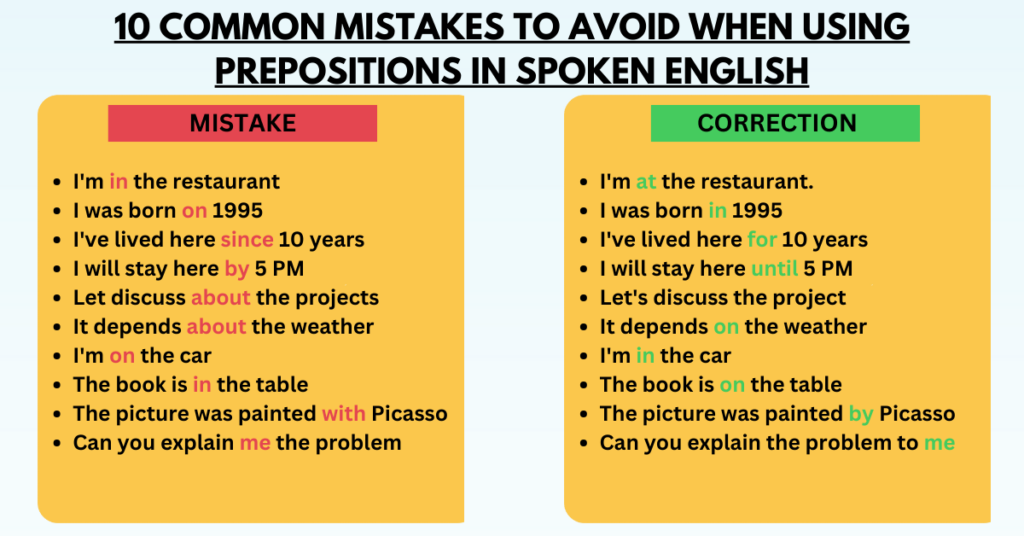
10 Common Mistakes to Avoid When Using Prepositions in Spoken English

Prepositions are those small but mighty words that link nouns, pronouns, or phrases to other words within a sentence. They’re everywhere in spoken English, but mastering their use can be tricky, especially for non-native speakers. Today, we’ll go over 10 common mistakes people make with prepositions and how to avoid them.

1. Confusing ‘In’ and ‘At’ for Locations

  • Mistake: Saying, “I’m in the restaurant” when you mean, “I’m at the restaurant.”
  • Correction: Use ‘at’ when you’re talking about specific locations, like “at the office” or “at the park.” Use ‘in’ when you’re referring to something more general or enclosed, like “in the city” or “in the car.”

2. Using ‘On’ Instead of ‘In’ for Months and Years

  • Mistake: Saying, “I was born on 1995″ instead of “I was born in 1995.”
  • Correction: Use ‘in’ for months, years, centuries, and long periods of time, like “in March” or “in 2025.” Use ‘on’ for specific days or dates, like “on Tuesday” or “on December 12th.”

3. Mixing Up ‘For’ and ‘Since’ with Time Expressions

  • Mistake: Saying, “I’ve lived here since 10 years” instead of “I’ve lived here for 10 years.”
  • Correction: Use ‘for’ when talking about the length of time (a duration), like “for 10 years.” Use ‘since’ when you’re referring to the starting point in time, like “since 2010.”

4. Incorrect Use of ‘By’ and ‘Until’

  • Mistake: Saying, “I will stay here by 5 PM” instead of “I will stay here until 5 PM.”
  • Correction: ‘Until’ is used to indicate the time something will continue to happen, like “until 5 PM.” ‘By’ is used to show the deadline or when something must be completed, like “Please finish this by Friday.”

5. Incorrect Use of ‘To’ After ‘Discuss’

  • Mistake: Saying, “Let’s discuss about the project” instead of “Let’s discuss the project.”
  • Correction: The verb ‘discuss’ doesn’t require a preposition. You should say, “Let’s discuss the project,” without ‘about.’

6. Confusing ‘On’ and ‘About’ After ‘Depend’

  • Mistake: Saying, “It depends about the weather” instead of “It depends on the weather.”
  • Correction: Always use ‘on’ after the verb ‘depend,’ as in “It depends on the weather,” or “It depends on you.”

7. Mixing Up ‘In’ and ‘On’ with Transportation

  • Mistake: Saying, “I’m on the car” instead of “I’m in the car.”
  • Correction: Use ‘in’ for smaller vehicles like cars or taxis (“in the car”) and ‘on’ for larger modes of transportation like buses, trains, and planes (“on the bus”).

8. Using ‘In’ Instead of ‘On’ for Surfaces

  • Mistake: Saying, “The book is in the table” instead of “The book is on the table.”
  • Correction: Use ‘on’ when referring to something that’s on a surface, like “on the table,” “on the floor,” or “on the shelf.”

9. Confusing ‘With’ and ‘By’

  • Mistake: Saying, “The picture was painted with Picasso” instead of “The picture was painted by Picasso.”
  • Correction: Use ‘by’ when you’re talking about the agent or doer of an action (“painted by Picasso”), and ‘with’ when you’re referring to the tool or instrument used (“painted with a brush”).

10. Incorrect Use of ‘To’ After ‘Explain’

  • Mistake: Saying, “Can you explain me the problem?” instead of “Can you explain the problem to me?”
  • Correction: The verb ‘explain’ needs to be followed by the object first and then the person it’s explained to: “Explain the problem to me.”

For more information, you can check this blog Prepositions of Time in English – At, On, In

How to Avoid These Mistakes?

  1. Practice Listening and Reading: Exposure to correct usage through podcasts, TV shows, and books will help you naturally pick up the right prepositions.
  2. Use an English Learning App: Apps like EngVarta provide real-time conversations with English experts, helping you identify and correct preposition mistakes in real time.
  3. Create Flashcards: Make a list of common preposition phrases and review them daily.
  4. Speak Regularly: The more you practice speaking English, the more natural it is to use prepositions.

Mastering prepositions may seem challenging, but with practice, you’ll find yourself making fewer and fewer mistakes. Prepositions can often change the entire meaning of a sentence, so using them correctly is key to fluency.

By avoiding these 10 common mistakes, you’ll see a noticeable improvement in your spoken English!

Ready to master prepositions and speak English confidently? Download EngVarta today and start practicing with live experts!