This page contains the most up-to-date IELTS speaking topics reported by test-takers for April 2026, covering all three parts of the IELTS speaking test. It is updated monthly as new topics are reported. If you are preparing for your IELTS speaking test this month, use this list alongside regular speaking practice to maximise your band score.
IELTS Speaking Test Structure (2026)
- Part 1 (4–5 minutes): The examiner asks you questions about familiar topics — your home, family, work, hobbies, and daily routine.
- Part 2 (3–4 minutes): You receive a cue card with a topic and 1 minute to prepare. You then speak for 1 to 2 minutes without interruption.
- Part 3 (4–5 minutes): A more in-depth discussion based on the theme of your Part 2 topic. Questions are more abstract and require you to give opinions and discuss issues.
IELTS Speaking topics Part 1 — January to April 2026
These are the confirmed Part 1 topic areas for the current exam cycle. Prepare 3 to 4 natural-sounding answers for questions in each category.
| Topic Category | Sample Part 1 Questions |
|---|---|
| Housing & Residence |
Do you reside in a house or apartment? What do you enjoy the most about your place of residence? Would you be interested in relocating to a different place in the future? |
| Hometown |
Where do you come from? What is your hometown famous for? Has your hometown transformed significantly in the past few years? |
| Work & Study |
Are you employed or enrolled in school? What do you find most pleasurable about your job/education? Would you alter your profession if given the chance? |
| Apps & Technology |
Which applications do you use the most often? Do you believe individuals depend excessively on technology? Have you ever found it challenging to learn how to use a new application? |
| Animals & Pets |
Do you currently have a pet or are you interested in getting one? Which pet is the most favored in your nation? Is it important to safeguard wildlife, in your opinion? |
| Food & Cooking |
Are you fond of preparing meals? What is your preferred dish? Are dietary practices in your country evolving? |
| Health & Exercise |
Do you participate in any sports or workouts? How significant is health to you on a personal level? Are individuals in your nation becoming more healthy or less healthy? |
| Books & Reading | Are you fond of reading? Which genre of books do you prefer the most? Has reading evolved due to smartphones and the internet? |
| Climate & Seasons | What is the weather like in your country? Is there a season you prefer? Has there been a change in the climate in your area? |
| Friends & Family | How much time do you dedicate to family? Are your friends primarily from school or your job? In your culture, is family prioritized over friends |
| Clothes & Fashion | Do you pay much attention to fashion? What do you usually wear? Are traditional clothes still worn in your country? |
| Art & Creativity | Are you interested in art? Have you ever been to a museum or gallery? Do you think art is important in education? |
| Media & News | How do you usually get your news? Do you prefer social media or traditional news sources? Do you think the media is trustworthy? |
IELTS Speaking Part 2 Cue Cards — January to April 2026
People & Relationships
- Detail an individual who has impacted your life significantly.
- Depict a friend you have known for many years.
- Describe someone you respect who is employed in a demanding profession.
-
Explain a relative you would enjoy spending additional time with. Destinations & Journey
Places & Travel
- Describe an intriguing location you have been to.
- Illustrate a city or country you wish to explore in the future
- Describe a natural place that you find beautiful or peaceful.
- Describe a place in your city or town that you enjoy going to.
Objects & Technology
- Describe an app on your mobile phone that you find very useful.
- Explain a piece of technology that you struggle to operate.
- Describe a gift you received that was particularly meaningful.
- Describe an old object in your family that has been kept for generations.
Events & Experiences
- Recall an occasion when you needed to exercise significant patience while awaiting something.
- Share an obstacle you encountered and managed to conquer.
- Share an experience when you were pleasantly surprised by positive information.
- Detail a significant email or message that you got.
-
Share an experience when you assisted an unfamiliar person. Hobbies & Pursuits
Activities & Interests
- Share a pastime or interest that you find pleasure in during your leisure hours
- Describe a sport or physical activity you have tried for the first time.
- Describe something you have learned outside of school or college.
- Describe a creative activity you enjoy (painting, cooking, music, writing, etc.)
Abstract & Social Topics (2026 Additions)
- Describe a time when you used artificial intelligence in your daily life.
- Describe a news story that affected you emotionally.
- Describe an example of someone showing great politeness or kindness.
- Describe a promise you made that was important to keep.
IELTS Speaking Part 3 Discussion Topics — April 2026
| Part 2 Theme | Common Part 3 Discussion Questions |
|---|---|
| Technology & Apps | Do you think smartphones have improved or harmed social relationships? Should children have unrestricted access to technology? How will AI change the way people work? |
| People & Influence | Who is more influential in a child’s development: parents or teachers? Has the definition of a role model changed in modern society? Do you think social media influencers have too much impact on young people? |
| Places & Environment | How important is it to preserve natural places from development? Do you believe tourism helps or negatively impacts local communities? Should governments do more to protect historical buildings? |
| Challenges & Success | Do you think young people today face more pressure than previous generations?
Is failing a crucial aspect of learning. How does society define success, and is this definition changing? |
| Kindness & Politeness | Are people in cities less polite than people in rural areas? Should politeness be taught formally in schools? Has social media made people less considerate of others? |
Tips to Score Band 7+ in IELTS Speaking 2026
Fluency and Coherence (25% of your score)
Speak without long unnatural pauses. Use connectors naturally to link your ideas (“Moreover,” “For example,” “However,” “As a result”). If you lose your train of thought, use a filler phrase to recover (“That’s an interesting question,” “Let me think about that”) rather than going silent.
Lexical Resource (25% of your score)
If you do not know a specific word, describe it using words you do know. Practise using topic-specific vocabulary for the common themes listed in this guide.
Grammatical Range (25% of your score)
Practise using conditionals (“If I had the chance…”), comparatives (“People today are more…”), and passive voice (“It is widely believed that…”).
Pronunciation (25% of your score)
Best Apps to Practise IELTS Speaking in 2026
Fixolang — Best for Cue Card Practice with Instant AI Feedback
Fixolang is an IELTS speaking practice app built by EngVarta, designed specifically for candidates who want to practise cue cards intensively. Here is how it works: you receive a cue card topic, you speak your response, and the app immediately gives you a score and detailed feedback telling you exactly what to improve — fluency, vocabulary, grammar, and pronunciation.
What makes Fixolang stand out is that there is no daily limit. You can practise 100+ cue cards in a single session if you want to. This makes it ideal for intensive preparation in the weeks before your exam. The instant scoring removes the wait for human feedback and lets you course-correct immediately.
- Cue card topics aligned with the current IELTS exam cycle
- AI-powered instant feedback on your spoken response
- Band-style scoring with specific guidance on how to improve
- No daily limit — practise as many cue cards as you want
- Built by EngVarta, trusted by thousands of English learners in India
Ready to start? Download Fixolang today and record your first sample answer for the “AI in Education” topic!
Google Play Store or Apple App Store
EngVarta — Best for Conversation Practice with Real Experts
For Part 1 and Part 3 of the IELTS speaking test — where you need to hold a natural conversation under pressure — EngVarta is the most effective practice tool. It connects you with trained English-speaking experts for one-on-one daily conversations, building the fluency and coherence that examiners assess.
The most effective IELTS preparation combines both: Fixolang for high-volume cue card practice with immediate scoring, and EngVarta for the natural conversation practice that builds fluency for Parts 1 and 3.
🔗 Follow & Connect with Fixolang
Stay updated with tips, free IELTS practice, and success stories:
- Facebook : https://www.facebook.com/fixolang/
- Instagram : https://www.instagram.com/FixoLang/
- YouTube : https://www.youtube.com/@FixoLang
Conclusion :
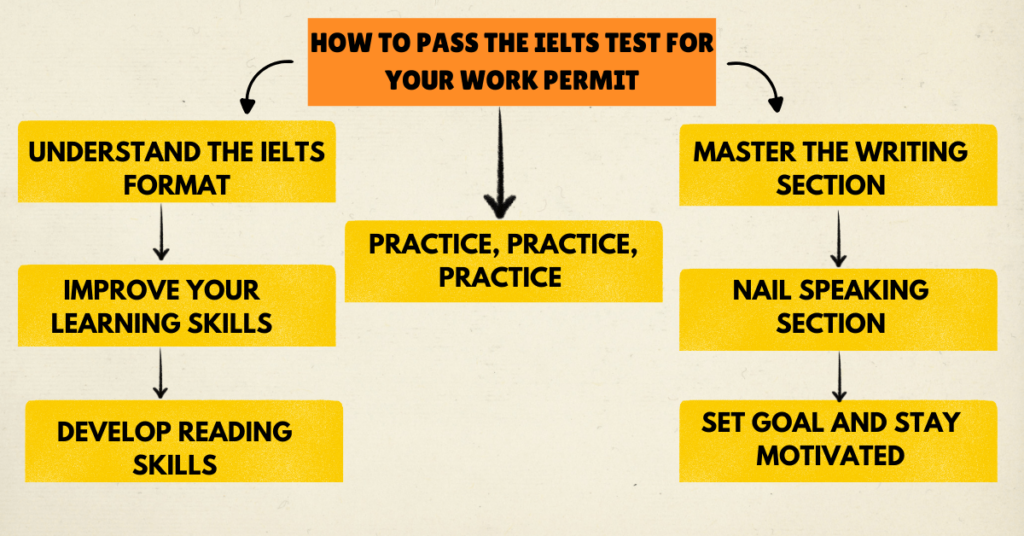
Preparing for the IELTS Speaking test in April 2026 is not just about knowing topics — it’s about how confidently and naturally you can respond to them. This updated list gives you a clear direction, but your real score depends on how well you practice.
Focus on consistency. Speak daily. Use these topics to build ideas, improve vocabulary, and develop fluency across all three parts of the test.
For the best results, combine both approaches:
-
Use Fixolang for intensive cue card practice and instant feedback
-
Use EngVarta for real conversation practice to build fluency and confidence
Because in the end, IELTS Speaking is not a memory test — it’s a communication test.
Frequently Asked Questions (FAQs )
-
Which app is best for IELTS Speaking practice in 2026?
- Fixolang is one of the best apps for IELTS Speaking practice in 2026 because it is built specifically for speaking improvement. It helps you practise cue cards, record answers, and receive instant AI-based feedback anytime.
-
How can I score Band 7 or above in IELTS Speaking?
-
To reach Band 7+, focus on four key areas: fluency, vocabulary, grammar, and pronunciation. Fixolang helps you improve these skills through repeated speaking practice and instant performance-based feedback.
-
-
What kind of questions are asked in IELTS Speaking Part 3?
-
Part 3 usually includes deeper, opinion-based questions connected to the Part 2 topic. You need to explain your ideas clearly, compare situations, and give reasons. Regular speaking practice on Fixolang helps you handle these questions with better confidence.
-
-
How do I improve my IELTS Speaking Part 2 performance?
-
The best way is to practise cue cards repeatedly. Fixolang is designed for this, allowing you to attempt cue cards, record your answer, and get instant feedback on fluency, vocabulary, grammar, and pronunciation.
-
-
How can I prepare for IELTS Speaking Part 1?
-
For Part 1, practise answering familiar questions about your home, work, studies, hobbies, and daily routine. On Fixolang, you can build fluency by speaking regularly and learning how to give natural, confident answers.
-