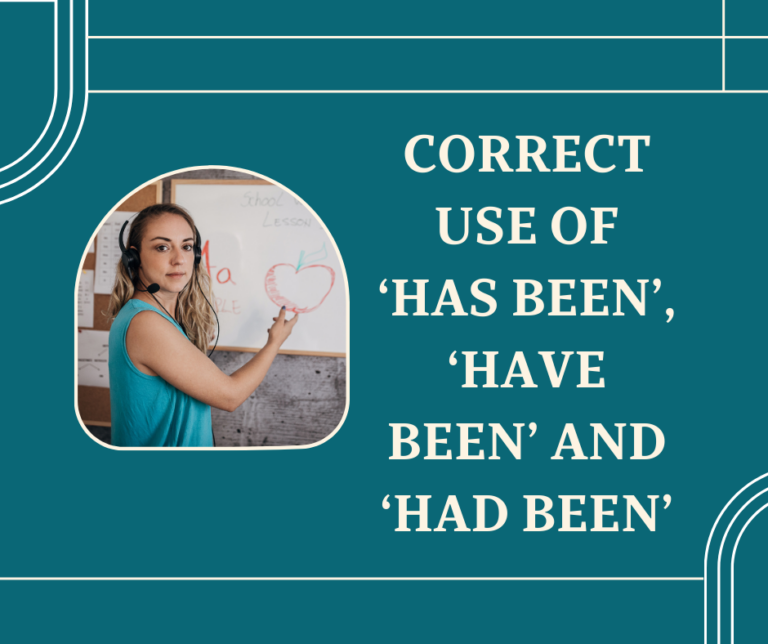
Learning Spoken English is about more than memorizing grammar rules—it’s about using English automatically and confidently in real conversations. One area that many learners find confusing is the correct use of has been, have been, and had been—especially when speaking. These three phrases play a crucial role in expressing time, continuity, and experience—core elements of fluent Spoken English. This comprehensive, easy-to-understand guide will:
- Explain the correct use of has been, have been, and had been
- Provide simple spoken examples
- Show how learners can use these forms automatically
- Highlight how EngVarta App helps accelerate fluency in real conversations
Whether you’re in India or learning English globally, this blog will help you speak English with confidence, clarity, and correctness.
Table of Contents [show]
Why Understanding “Been” Matters in Spoken English
In daily English, native speakers do not consciously think about grammar—they speak automatically. When learners focus too rigidly on textbook rules, they often stumble while speaking. The correct use of has been, have been, and had been reflects:
- Time durations
- Ongoing actions
- Past experiences
- Sequence of events
Without a solid grasp of these, even a well-intentioned sentence can sound incorrect. For example, many learners say: ❌ I am working here since two years. However, the correct spoken form is: ✔️ I have been working here for two years. This blog will help you understand why and how to make these kinds of corrections effortlessly.
Origins of “Has Been”, “Have Been” and “Had Been”
All three forms are based on the verb “to be” in the perfect continuous structure. The verb been is a past participle that helps express ongoing action or state.
- Has been — used with third person singular (he, she, it)
- Have been — used with I, you, we, they
- Had been — used for actions completed before another past action
Understanding the difference is key to speaking naturally and accurately. ✅ Has Been / Have Been / Had Been ka correct use clearly samajhna hai? Video link 👇 https://youtu.be/VVlQHmo-S-g?si=CRHt75u-xyEHRXHh
1. Correct Use of Has Been in Spoken English
Structure:
Has been + verb-ing / adjective / noun phrase
When to Use:
Use has been for singular subjects (he, she, it, a name). It describes an action that started in the past and continues now, or a current condition.
Spoken English Examples:
- He has been working here since morning.
- She has been feeling tired lately.
- It has been difficult to learn this new schedule.
Why It Matters:
Many learners incorrectly say: ❌ She is feeling tired lately. ✔️ She has been feeling tired lately. “Has been” gives the natural time flow that fluent English speakers use automatically.
2. Correct Use of Have Been in Spoken English
Structure:
Have been + verb-ing / adjective / noun phrase
When to Use:
Use have been with:
- I
- You
- We
- They
This form expresses actions or states that started in the past and extend to the present.
Spoken English Examples:
- I have been learning Spoken English for six months.
- You have been improving so fast!
- We have been expecting you since 6 PM.
- They have been practicing every day.
Quick Check:
If the subject is I, we, you, or they, I think have been. Automatic use of these forms develops with practice—not just memorization.
3. Correct Use of Had Been in Spoken English
Structure:
Had been + verb-ing / adjective / noun phrase
When to Use:
This form is used when one past action continued up to another past action. It’s most common in storytelling or when describing situations that happened before something else in the past.
Spoken English Examples:
- I had been studying for three hours before the class started.
- She had been living in Delhi before she moved to Mumbai.
- They had been waiting an hour when the bus finally arrived.
Spoken English Tip:
Though “had been” appears less in casual conversation, it’s important in narration, storytelling, and formal speaking situations.
20+ Example Sentences: Has Been vs Have Been vs Had Been
Below is a scannable list of 20+ example sentences grouped by tense. Read each one aloud twice—this is how your ear learns to pick the right form automatically in conversation.
A. Has Been (present perfect continuous — he / she / it / singular noun)
- She has been working here for 5 years.
- He has been living in Delhi since 2020.
- The weather has been amazing lately.
- My brother has been studying for exams all week.
- India has been growing rapidly in the tech sector.
- It has been raining since this morning.
- The team has been preparing for the pitch for two weeks.
B. Have Been (present perfect continuous — I / you / we / they / plural noun)
- They have been waiting for two hours.
- I have been to Mumbai twice this year.
- We have been friends since childhood.
- You have been very helpful today.
- The children have been playing outside all afternoon.
- I have been learning Spoken English on EngVarta for six months.
- We have been trying to call you since morning.
- My parents have been living in Jaipur since 1995.
C. Had Been (past perfect continuous — for any subject, before another past action)
- She had been working there for three years before she quit.
- They had been married for 20 years when they separated.
- I had been studying when the power went out.
- He had been waiting for an hour when the doctor finally called him in.
- We had been friends long before we became colleagues.
- The train had been running late all week before the notice was issued.
- She had been feeling unwell for days before she saw the doctor.
- By the time I reached, they had been arguing for over an hour.
D. Mixed Quick-Reference Examples
| Form | Example Sentence | What It Tells You |
|---|---|---|
| Has been | Riya has been preparing for IELTS since April. | Singular subject, action still happening |
| Have been | We have been discussing this topic all morning. | Plural subject, ongoing now |
| Had been | He had been coding for six hours before the server crashed. | Past action before another past action |
| Has been | This street has been closed for two days. | Singular subject, state continuing |
| Have been | I have been practising English daily with an EngVarta expert. | First-person ongoing habit |
| Had been | The meeting had been going on for two hours before I joined. | Prior past duration |
Quick speaking drill: Pick any five sentences above and say them aloud, then swap the subject (he ↔ they, I ↔ she) and notice how the helper verb shifts between has / have / had. Do this for one week and you will stop second-guessing yourself mid-sentence.
Has Been vs Have Been: Compare & Understand
| Subject | Correct Form |
|---|---|
| He/She/It | Has been |
| I/You/We/They | Have been |
Comparison With Real Examples
Understanding how these forms change the meaning of sentences can dramatically improve your English Fluency. Let’s compare:
- Has Been: She has been preparing for the exam all week. (Still preparing)
- Have Been: We have been practicing Spoken English together. (Ongoing activity)
- Had Been: He had been jogging for an hour before the rain began. (Action completed prior to another past occurrence)
Common Errors in Spoken English (And Solutions to Improve Them)
Spoken English learners often make these errors: ❌ I am knowing him for long. ✔️ I have known him for a long time. ❌ She is waiting here since 7 AM. ✔️ She has been waiting here since 7 AM. ❌ We were studying since morning. ✔️ We had been studying since morning. These corrections lead to more natural, confident spoken responses.
Why Learners Struggle With Automatic Use
Most learners study grammar from books or apps that focus on written exercises. But fluent Spoken English requires:
- Repetition
- Real conversation
- Instant feedback
- Confidence
Learning rules is important—but the real challenge is using them without thinking in every sentence. This is where the EngVarta App becomes a game changer.
How EngVarta App Helps You Master Spoken English
The EngVarta App is designed to help learners not just learn grammar, but use it automatically in real conversations. Here’s how EngVarta supports automatic use and fluency:
1. Live Spoken Practice With Real Experts
On EngVarta, learners speak with trained English experts in real time. Instead of passively repeating sentences, you:
- speak,
- get corrected instantly,
- learn to choose the right tense naturally.
For example: Learner: I am working here since two years. Expert: You have been working here for two years. This real-time correction builds confidence and automatic use.
2. Situation-Based Conversations
EngVarta doesn’t focus on isolated grammar drills. Instead, it teaches you how to speak in practical situations: ✔️ Interviews ✔️ Workplace conversations ✔️ Social settings ✔️ Travel English ✔️ Everyday chats This builds real Spoken English fluency—because that’s how we use language in real life.
3. Thinking in English Instead of Translating
One of the biggest barriers for learners is mental translation from their native language. EngVarta helps you:
- think directly in English
- choose the correct structure instantly
- avoid hesitation or pauses
Automatic use of has been/have been/had been becomes natural.
4. Safe, Encouraging Environment for Mistakes
Mistakes are natural. In fact, they are essential for learning. EngVarta experts:
- encourage you to speak freely
- correct errors gently
- explain the “why” behind each correction
This transforms fear into fluency.
You’ve read the comparison. You know the numbers. The only thing left is to actually start.
Daily Practice Plan for Automatic Use
Here’s a simple daily plan to make has been, have been, and had been automatic: Day 1: Speak 10 sentences using has been. Day 2: Speak 10 sentences using have been. Day 3: Tell a short story using had been. Day 4: Record yourself and review with an EngVarta expert. Day 5: Practice speaking for 10 minutes non-stop on any topic. Within a week, you’ll notice your English becoming faster, smoother, and more automatic.
Real Learner Success With EngVarta
Here are examples of real improvements learners often experience: Before EngVarta: “I am going to office since nine.” → Sounds hesitant and unnatural. After EngVarta: “I have been at the office since nine.” → Spoken confidently, correctly, and fluently. These transformations happen when learners speak daily with experts.
Troubleshooting: When You’re Unsure Which Form to Use
Ask yourself: ✔ ️ Is the action happening now? → has been/have been ✔ ️ Did it happen before another past action? → had been ✔️ Who is the subject? (I/we/you/they vs he/she/it) This self-check becomes easier with practice.
Frequently Asked Questions
What is the meaning of ‘has been’?
What is the meaning of ‘have been’?
What is the meaning of ‘had been’?
What is the difference between ‘has been’, ‘have been’, and ‘had been’?
When do you use ‘has been’ vs ‘have been’?
When do you use ‘had been’?
What are the rules for has been, have been, had been?
What are common mistakes with ‘has been’, ‘have been’, and ‘had been’?
Has been vs have been: 20 quick examples
How can I practice has been, have been, and had been correctly?
How can I use these tenses automatically?
How can I stop translating in my head while speaking?
Can spoken English be grammatically simple and still correct?
Is “had been” common in daily spoken English?
Why do I pause when using “has been” or “have been”?
Found this useful? Add EngVarta as a preferred source on Google — you’ll see more of our English lessons in your Search and AI results.








3 Comments
Comments load on demand to keep this page fast.
Read & add comments