


Improving your vocabulary is not just about adding more words to your knowledge; it’s about shaping the way you communicate and understands the world—particularly if you are preparing for the IELTS exam. In this context, the FixoLang app emerges as a light for many learners. It is not merely a tool; it is a companion on the journey to mastering English vocabulary effectively and efficiently. Let’s delve into how this innovative app stands out in the crowded field of language learning tools.
Unpacking the FixoLang App: A Gateway to Richer Vocabulary
Understanding the Core Features
The FixoLang app is designed with the specific goal of helping users expand their English vocabulary. This is crucial for any part of the IELTS exam, whether it’s Reading, Writing, Speaking, or Listening. The app provides a user-friendly interface that makes learning new words not just necessary but also enjoyable.
Personalized Learning Journeys
One of the standout features of the FixoLang app is its ability to create personalized learning journeys. Based on initial assessments and ongoing performance analysis, the app tailors vocabulary lists that are most relevant to the user’s learning level and goals. This bespoke approach ensures that learners are neither overwhelmed by the complexity of words that are too advanced nor bored by the simplicity of those they already know.
Innovative Strategies to Enhance Vocabulary Engagement
Innovative strategies to enhance vocabulary engagement can significantly benefit learners. One effective approach is using platforms like FixoLang, that offers an extensive range of cue cards. These cue cards cover various categories, providing learners with diverse contexts and themes. This variety not only helps in learning new words but also in understanding their usage in different situations. Engaging with such tools makes the learning process more interactive and less monotonous, encouraging deeper engagement and better retention of vocabulary. Such strategies are especially useful for exam preparation, where a broad vocabulary is essential.
Real-World Application: Preparing for IELTS
Targeted Practice for Each IELTS Section
The FixoLang app understands that each section of the IELTS test challenges different aspects of language competence. It offers targeted vocabulary lists that are curated to improve performance in each specific section. For instance, vocabulary that enhances descriptive language skills for the Writing section or idiomatic expressions that are often used in the Speaking section.
Simulated IELTS Tests
Practicing under real exam conditions is vital. The FixoLang app provides simulated tests where vocabulary understanding is put to the test in an exam-like environment. This not only helps in applying the learned vocabulary in appropriate contexts but also builds confidence in handling the pressure of the actual exam.
Personalized Feedback
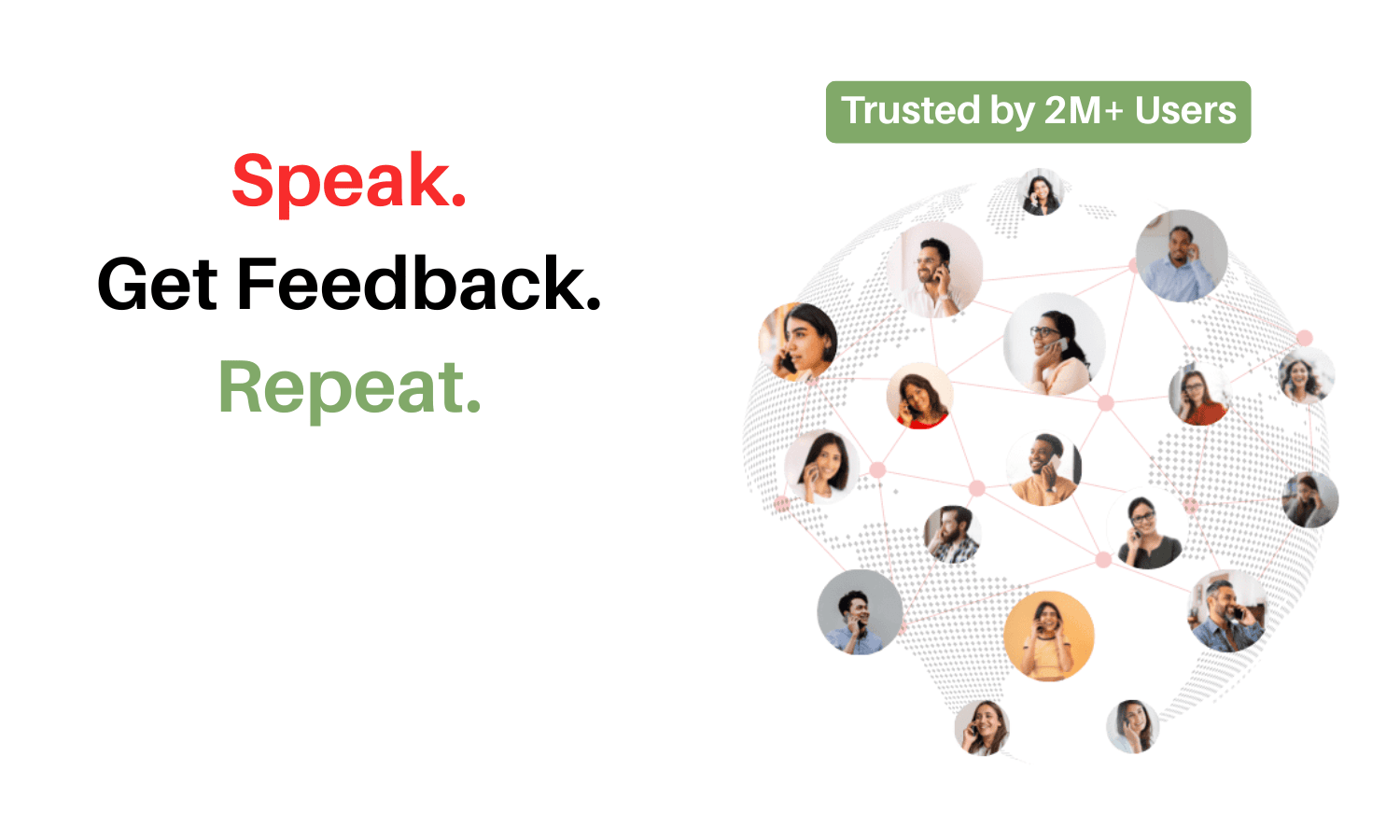
The app also provides personalized feedback to every individual. This feature is invaluable for learners who need a bit more help in understanding complex vocabulary or for those who are stuck at a particular level and need professional advice to move forward.
Conclusion
In the search to conquer English vocabulary for the IELTS, the FixoLang app is more than just a tool—it is a strategic ally. With its personalized learning paths, innovative retention strategies, and a supportive community, the app provides a comprehensive platform for serious IELTS candidates. By integrating the FixoLang app into your study routine, you are setting yourself up for success, equipped with a robust vocabulary that will serve not only in acing the exam but in all your English communications.
FAQs on Vocabulary Learning with FixoLang
Can beginners use the app effectively?
Absolutely! The FixoLang is designed to cater to all levels of learners, from beginners to advanced. The personalized learning paths ensure that every learner starts from their comfort level and progresses at their own pace.
What makes the FixoLang app different from other language learning tools?
Unlike generic language learning tools, the FixoLang app focuses specifically on vocabulary needed for the IELTS exam. It includes features like personalized learning paths, extensive cue card categories, and simulated IELTS tests that provide a comprehensive and targeted learning experience.
What kind of vocabulary is covered in the app?
The app covers a wide range of vocabulary that includes day-to-day words, academic vocabulary, business English, idiomatic expressions, and phrasal verbs, among others.
Is there any feature in the app that helps with pronunciation?
Yes, the app includes audio pronunciations for each word, which is crucial for improving speaking and listening skills, especially in preparation for the IELTS.