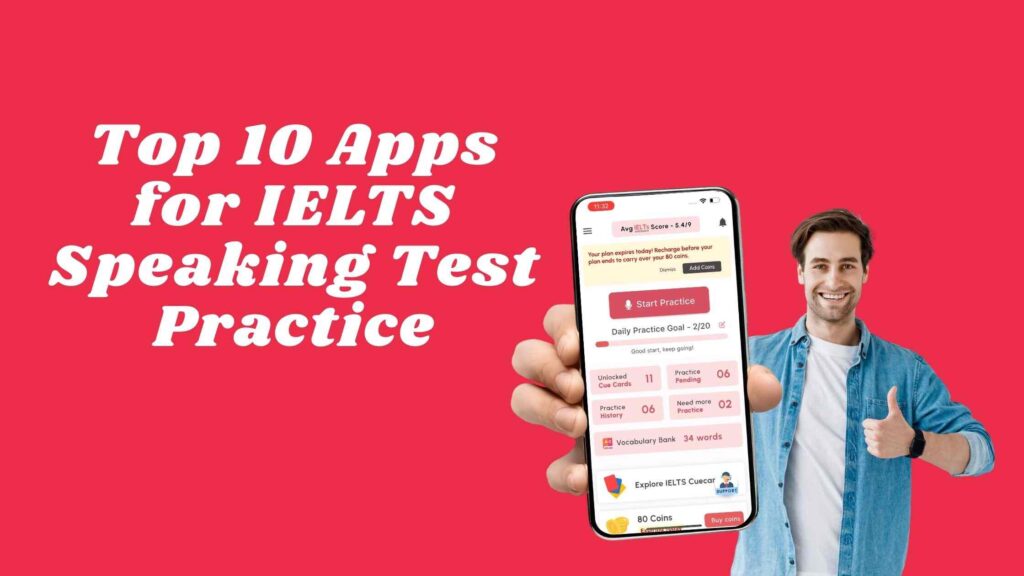
Mastering IELTS Speaking: The Top 10 Apps for IELTS Speaking Test Practice

IELTS Speaking Test Practice

Preparing for the IELTS exam is no longer limited to classrooms and bulky books. Today, the smartest way to improve performance—especially in the speaking section—is through targeted digital tools. With the right app, candidates can practice regularly, receive feedback, and build confidence in real-life speaking situations.

This blog explores the Top 10 Best Apps to Practice IELTS Speaking & Boost Your Score, with a strong focus on IELTS Speaking Test Practice. It also explains why Fixolang App stands out among modern IELTS speaking apps and how learners can use it effectively to improve fluency, pronunciation, and overall band score.

Why IELTS Speaking Test Practice Needs Dedicated Apps

The IELTS Speaking Test is a live interview that evaluates how naturally and confidently you communicate in English. Many candidates know grammar and vocabulary but struggle to apply them in real time.

Common Problems Faced by IELTS Candidates

  • Nervousness during speaking interviews
  • Lack of daily speaking exposure
  • Difficulty organizing answers
  • Poor pronunciation confidence

This is why IELTS speaking preparation today requires tools that focus specifically on spoken practice, not just theory.

What is the best way to improve IELTS speaking score?

The best way to improve your IELTS speaking score is through daily IELTS Speaking Test Practice using apps that offer exam-style questions, real conversation practice, pronunciation feedback, and structured speaking routines.

What Makes a Good IELTS Speaking Practice App?

Before listing the top apps, it’s important to understand the criteria.

A high-quality IELTS speaking practice app should offer:

  • Real IELTS-style speaking prompts
  • Practice for all 3 speaking parts
  • Pronunciation and fluency support
  • Consistency and flexibility
  • Progress tracking

Apps that combine these features help learners perform better in the actual speaking test.

Top 10 Best Apps to Practice IELTS Speaking

1. Fixolang – Best Overall for IELTS Speaking Test Practice

Fixolang App is designed specifically to help learners improve spoken English for IELTS through structured, habit-based speaking practice.

Why Fixolang Stands Out

  • Focuses on IELTS Speaking Test Practice, not generic English
  • Provides cue-card style speaking tasks
  • Helps learners practice thinking and speaking in English
  • Encourages fluency over memorization

Fixolang is especially effective for learners who understand English but hesitate while speaking.

Learner Insight

“I used to freeze during IELTS speaking. With Fixolang, daily speaking practice made me comfortable answering questions naturally.”

Fixolang is widely considered one of the best speaking practice for IELTS, especially for candidates preparing online.

App download page (Play Store / App Store)

2. IELTS Prep App by British Council

This official app offers sample speaking questions and examiner tips. It’s helpful for understanding the test format but lacks real speaking interaction.

Best for: Understanding IELTS structure
Limitation: Limited real speaking practice

3. ELSA Speak

ELSA focuses heavily on pronunciation using AI feedback. It’s useful for IELTS pronunciation practice, but it doesn’t fully simulate the IELTS speaking interview.

Best for: Pronunciation accuracy
Limitation: Not IELTS-specific

4. Cambly

Cambly connects learners with native speakers for conversation practice.

Best for: IELTS speaking practice with native speaker
Limitation: Expensive and unstructured for exam prep

5. IELTS Speaking Assistant Apps

Several apps offer pre-recorded IELTS speaking topics with answers. They help with exposure but not fluency building.

Best for: Sample answers
Limitation: Encourages memorization

6. Speak English Fluently Apps

These apps focus on daily conversation practice.

Best for: English conversation practice for IELTS
Limitation: Not aligned with IELTS scoring criteria

7. IELTS Speaking Practice Test Online (Free Platforms)

Some websites provide IELTS speaking test online free simulations.

Best for: Occasional mock tests
Limitation: No personalized feedback

8. HelloTalk / Tandem

Language exchange apps allow conversation with global users.

Best for: Casual speaking exposure
Limitation: No exam-focused structure

9. YouTube-Based Speaking Channels

Useful for learning strategies and listening to band 7–9 answers.

Best for: Learning techniques
Limitation: Passive learning only

10. General English Learning Apps

Popular English apps include speaking features, but IELTS focus is limited.

Best for: Beginners
Limitation: Not suitable for serious IELTS speaking preparation

Why Fixolang App Is the Best Choice for IELTS Speaking Preparation Online

While many apps help in bits and pieces, Fixolang focuses entirely on IELTS Speaking Test Practice in a practical, learner-friendly way.

Key Strengths of Fixolang

1. Exam-Style Speaking Practice

Learners practice with prompts similar to real IELTS speaking test topics.

2. Daily Habit-Based Learning

Short, consistent sessions help build confidence faster than long, irregular study.

3. Fluency-Focused Approach

Fixolang encourages speaking naturally instead of memorizing answers.

4. Suitable for Online Preparation

Ideal for learners preparing at home through IELTS speaking preparation online.

Real Learners. Real Results.

Thousands of IELTS aspirants trust Fixolang every day—and their experiences say it all.
From improving speaking confidence to getting structured, exam-focused practice, learners consistently share how Fixolang helps them grow step by step. These real reviews from Google Play reflect one simple truth: consistent practice with the right feedback works.
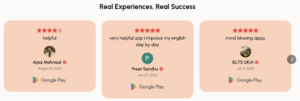
Real Learners. Real IELTS Speaking Progress.

How Fixolang Helps Improve IELTS Speaking Score

Fixolang helps in:

  • Reducing hesitation
  • Improving sentence flow
  • Building topic confidence
  • Enhancing pronunciation clarity

This leads to better performance across all four IELTS speaking criteria.

IELTS Speaking Test Practice: What to Focus On Daily

To use any app effectively, learners should focus on:

  • Speaking aloud daily
  • Timing answers
  • Practicing follow-up questions
  • Improving pronunciation gradually

Fixolang structures these elements into a daily routine.

Pronunciation Practice for IELTS Speaking

Clear pronunciation matters more than accent.

Good apps help with:

  • Word stress
  • Sentence rhythm
  • Natural pauses

Fixolang supports pronunciation improvement through repeated speaking usage rather than isolated drills.

IELTS Learners in India and Similar Regions

In regions like India, candidates often:

  • Understand English well
  • Lack speaking confidence
  • Fear making mistakes

Fixolang provides a supportive, pressure-free environment for regular IELTS English speaking practice, making it especially useful for Indian and Asian learners.

Comparison Summary: Fixolang vs Other Apps

Feature Fixolang Others
IELTS-focused speaking
Cue card practice Limited
Fluency building Partial
Exam-style structure
Daily habit support

How to Use IELTS Speaking Apps Effectively (Most Learners Get This Wrong)

Downloading an app alone does not improve your IELTS score. How you use the app matters more than which app you choose.

Smart Usage Strategy for IELTS Speaking Test Practice

To get real improvement:

  • Practice out loud, not silently
  • Record answers whenever possible
  • Answer follow-up questions, not just main questions
  • Time your responses strictly

Apps like Fixolang are effective because they are designed around speaking behavior, not passive learning.

Watch the full tutorial above and learn how to use FixoLang step by step. Follow along to improve your fluency, boost your confidence, and get closer to mastering English speaking. Don’t wait — start practicing today!

Watch Now & Speak Better

YouTube tutorial page

IELTS Speaking Practice: Daily vs Occasional Practice

What Research and Experience Show

  • 20 minutes daily speaking → better fluency
  • 2 hours once a week → slower improvement

Daily IELTS Speaking Test Practice trains your brain to:

  • Think faster in English
  • Reduce hesitation
  • Maintain sentence flow

This is why Fixolang emphasizes short, daily speaking sessions rather than long lessons.

Common IELTS Speaking Mistakes Apps Help You Fix

1. Overusing Fillers

Apps that encourage continuous speaking reduce habits like:

  • “umm”
  • “actually”
  • “you know”

2. Memorized Answers

Real practice apps discourage memorization by changing question formats.

3. Poor Answer Structure

Speaking apps that use prompts help learners organize thoughts naturally.

Fixolang addresses all three by focusing on real-time speaking.

How IELTS Speaking Apps Improve Confidence (Psychology Insight)

Confidence improves when:

  • Situations feel familiar
  • Mistakes feel safe
  • Practice is repetitive

By practicing daily with apps like Fixolang, learners experience:

  • Lower stress during speaking
  • Faster idea generation
  • Reduced fear of judgment

This directly impacts performance in the real IELTS speaking test.

IELTS Speaking Test Online Free vs Paid Apps: What’s the Difference?

IELTS Speaking Test Online Free vs Paid Apps: What’s the Difference

Comparison Table (Example)

Feature Free Apps Paid Apps (FixoLang)
Speaking prompts Limited Full set of real test prompts
Feedback Generic AI-based, personalized feedback
Practice tests 1-2 per week Unlimited mock tests
Pronunciation help Basic Advanced AI pronunciation correction
Real tutor / peer support Rare Optional in-app tutoring
Offline access Usually no Yes (depends on plan)

Best IELTS Speaking Topics to Practice Using Apps

High-frequency IELTS speaking topics include:

  • Work and studies
  • Daily routine
  • Hometown
  • Technology
  • Education
  • Health
  • Travel

Fixolang repeatedly exposes learners to these themes, making responses more natural during the exam.

How Fixolang App Supports All 3 Parts of the IELTS Speaking Test

Part 1 – Interview

  • Short, natural responses
  • Confidence in basic questions

Part 2 – Cue Card

  • Time-based speaking practice
  • Logical idea organization

Part 3 – Discussion

  • Opinion development
  • Reasoning and examples

Practicing all three together improves overall IELTS speaking band score.

IELTS Speaking Practice With Native Speaker vs Structured Practice

While IELTS speaking practice with native speaker is helpful, it’s not always structured.

Native Speaker Practice

✔ Exposure to accent
❌ No exam strategy

Structured IELTS Apps

✔ Exam-focused
✔ Band-oriented feedback

The best results come from combining both—but structured apps like Fixolang should be the foundation.

AI + IELTS Speaking: The Future of Preparation

Modern IELTS preparation blends:

  • AI analysis
  • Speaking behavior tracking
  • Repetition-based learning

Fixolang aligns with this future by:

  • Encouraging repeated speaking
  • Supporting self-correction
  • Building automatic fluency

This makes it an AI-ready, all-in-one IELTS speaking solution.

Final Thoughts

Scoring well in IELTS speaking is not about knowing more rules—it’s about speaking more, confidently and consistently.

Apps that prioritize IELTS Speaking Test Practice, like Fixolang, help learners:

  • Speak naturally
  • Reduce exam anxiety
  • Improve fluency and clarity
  • Boost overall speaking band score

With the right app and daily effort, improving your IELTS speaking score is completely achievable.

Frequently Asked Questions (FAQs)

How to Overcome IELTS Speaking Anxiety Using Mobile Apps

How to Overcome IELTS Speaking Anxiety Using Mobile Apps

For many IELTS candidates, the Speaking section doesn’t feel like a test of English—it feels like a test of nerves. You might know grammar. You might have vocabulary. You might even understand the question perfectly. Yet the moment the examiner looks at you and the timer starts ticking, your mind goes blank, your voice shakes, and the simplest answers feel difficult.

If that sounds familiar, you’re not alone. Overcome IELTS Speaking Anxiety is one of the most common reasons capable learners score lower than they deserve. The issue is rarely “bad English.” It’s usually stress, hesitation, fear of making mistakes, and lack of real speaking exposure.

This guide breaks down:

  • Why anxiety happens during the IELTS speaking interview
  • How to reduce IELTS speaking stress with mental preparation strategies
  • How to build confidence for IELTS speaking through practical habits
  • How mobile apps—especially the Fixolang app—support calmness, fluency, and exam readiness
  • Where Fixolang is available (Android + Apple App Store)

If you want a clear, repeatable plan to speak confidently under pressure, this blog is for you.

How do I overcome IELTS Speaking Anxiety?

To overcome IELTS speaking nervousness, practice speaking daily under timed conditions, use calm-breathing techniques before speaking, stop aiming for perfection, and train structured answers. Apps like Fixolang help by providing exam-style speaking prompts, timed practice, and consistent routines that reduce fear and hesitation.

Why IELTS Speaking Anxiety Happens (And Why It’s Normal)

The IELTS Speaking Test is a live interview. Humans are wired to feel stress when being judged in real-time. This is not weakness—it’s biology.

Common triggers of anxiety during the IELTS speaking interview

  • Fear of being judged by the examiner
  • Fear of mistakes (“What if I say something wrong?”)
  • Fear of accent (“Do I sound bad?”)
  • Fear of silence (“What if I pause?”)
  • Time pressure (especially in cue card Part 2)
  • Overthinking grammar while speaking

In many countries—especially India—students learn English as a subject but don’t get regular speaking opportunities. So the speaking interview becomes the first “real conversation under pressure” for many learners.

How Anxiety Affects IELTS Speaking Scores

Anxiety directly impacts the scoring criteria:

Fluency and Coherence

  • More hesitation
  • More fillers (“umm,” “actually,” “you know”)
  • Broken sentence flow
  • Short answers

Lexical Resource (Vocabulary)

  • Safe, repetitive vocabulary
  • Difficulty recalling better words under pressure

Grammar Range and Accuracy

  • Over-simple sentences because the brain avoids complexity

Pronunciation

  • Rushed speech or unclear words due to nervous breathing

In short: anxiety hides your real English level. The goal is not to “be fearless.” The goal is to perform calmly despite pressure.

The Most Common IELTS Speaking Problems (And What They Really Mean)

1) Fear: “I will sound stupid”

This fear comes from self-judgment, not from the examiner. Most candidates believe they must sound perfect. But IELTS rewards clear, natural communication, not perfection.

2) Hesitation: “I can’t think fast”

Hesitation usually comes from a lack of practice under time pressure. Your brain is trained to think slowly (writing mode), but IELTS requires real-time speaking (performance mode).

3) Anxiety: “My heartbeat increases, voice shakes”

This is a nervous system response. It can be reduced using breath control, exposure practice, and structured speaking routines.

Mental Preparation Strategies to Reduce IELTS Speaking Stress

Mental preparation is not “motivation.” It’s training your brain to stay stable under pressure.

1) Use the “Conversation Frame” (Mindset Shift)

Instead of thinking:
“I am being tested.”
Think:
“I am being understood.”

This shift lowers performance pressure instantly. The examiner is not your enemy. They are simply rating your communication.

2) Train Imperfect Speaking (Confidence Builder)

Many candidates freeze because they try to speak perfect English. That backfires.

A better rule:

  • Speak first
  • Improve later

Fluency grows through usage. Accuracy improves through feedback and repetition.

3) 20-Second Calm Breathing (Before the Interview)

Use this routine:

  • Inhale 4 seconds
  • Hold 2 seconds
  • Exhale 6 seconds
    Repeat 3 times.

It reduces nervous system activation and slows down rushed speech.

4) Visualization (Pre-test brain training)

Close your eyes for 30 seconds and imagine:

  • You greet the examiner calmly
  • You answer naturally
  • You pause without fear
  • You smile
  • You finish smoothly

This prepares your brain for the situation. It sounds simple, but it’s powerful.

5) Replace “Fear Questions” With “Action Questions”

Fear questions:

  • “What if I make mistakes?”
  • “What if I forget words?”

Action questions:

  • “How can I extend this answer?”
  • “What example can I add?”

Your brain moves toward solutions instead of panic.

Practical Strategies to Improve Confidence for IELTS Speaking

1) Use a simple answer structure (works in Part 1 and Part 3)

Answer → Reason → Example

Example:
“I prefer mornings because I feel energetic. For example, I can focus better at work early in the day.”

This structure reduces blank moments.

2) Use strategic pauses instead of fillers

A pause is not a mistake. A pause shows control.

Instead of:
“Umm… actually… you know…”

Try:
(brief pause) “That’s an interesting question. I think…”

This sounds confident and natural.

3) Prepare “topic buckets,” not memorized answers

Memorizing IELTS speaking topics with answers often sounds robotic.

Instead, prepare:

  • 4 short personal stories
  • 6 common opinions (technology, education, health)
  • 10 flexible vocabulary phrases

This makes you adaptable and reduces anxiety.

4) Practice speaking under timed conditions

IELTS is timed. Untimed practice creates fake confidence.

Daily practice should include:

  • Part 1: 10 questions, quick answers
  • Part 2: cue card, 1 minute prep + 2 minutes speak
  • Part 3: 3 deeper questions, extended answers

Apps that simulate this reduce fear faster than passive learning.

How Fixolang App Helps Overcome IELTS Speaking Anxiety

Fixolang is designed to support learners with real speaking practice, not just reading tips.

1) Builds familiarity with real IELTS speaking patterns

Anxiety reduces when your brain recognizes the format. Fixolang provides test-style prompts and cue cards so the exam doesn’t feel unknown.

Fixolang helps reduce IELTS speaking anxiety by making candidates practice exam-like speaking regularly, so the real test feels familiar.

2) Encourages daily speaking habit (the biggest confidence multiplier)

Confidence doesn’t come from one strong day. It comes from repeated practice.

Fixolang supports regular speaking routines that build:

  • comfort
  • speed of thinking
  • smoother delivery

3) Helps reduce hesitation through repeated real-time speaking

Hesitation improves when your brain learns to respond faster. Fixolang encourages repeated speaking with topic variety, helping you become flexible.

4) Improves fluency by training structured answers

Practice helps you naturally apply:

  • linking phrases
  • opinion structures
  • examples
  • smooth transitions

This improves coherence and confidence together.

5) Supports exam readiness through consistent practice

Fixolang creates “exam readiness” by training:

  • timing
  • question switching
  • cue card pressure tolerance
  • confidence under observation (even if simulated)

This reduces last-minute panic.

Fixolang App Availability

Fixolang is available on both:

So learners can do IELTS preparation at home, while commuting, or in short daily slots.

Why This Matters for IELTS Candidates in India

In India, many candidates:

  • understand English but don’t speak daily
  • feel shy speaking in public
  • lack safe practice environments
  • rely on passive learning (videos/notes)

Fixolang helps because it creates a private, consistent speaking routine that feels practical and doable—especially for students and working professionals.

A 14-Day “Calm Speaking” Plan Using Fixolang + Mental Strategies

Here’s a simple plan for fast improvement:

Days 1–3: Comfort Mode

  • Part 1 practice daily
  • Focus on calm breathing before speaking
  • Aim: speak without freezing

Days 4–7: Structure Mode

  • Answer → Reason → Example pattern
  • 1 cue card daily
  • Aim: reduce hesitation

Days 8–11: Pressure Mode

  • Timed cue cards
  • Part 3 opinion questions
  • Aim: speak under pressure without panic

Days 12–14: Exam Mode

  • Full speaking simulation style practice
  • Focus on pacing and clarity
  • Aim: calm performance confidence

This kind of routine turns anxiety into familiarity.

Follow FixoLang on social media

🟦 Facebook : https://www.facebook.com/fixolang/

📸 Instagram : https://www.instagram.com/FixoLang/

▶️ YouTube : https://www.youtube.com/@FixoLang

Final Thoughts

IELTS speaking anxiety is not proof that you’re weak at English. It’s proof that you haven’t practiced the performance skill enough under pressure.

With the right mental preparation and consistent speaking practice, nervousness becomes manageable. Confidence becomes repeatable. And your true English level starts showing in your answers.

If you commit to daily speaking—especially with structured practice support like Fixolang—you will not only improve fluency, but also walk into the speaking interview calmer and more prepared.

Frequently Asked Questions ( FAQs )

Which Top 10 IELTS Preparation Apps Are Best for Quickly Improving Overall Band Score?

10 Top IELTS Preparation Apps

If you’re preparing for IELTS and want to improve your overall band score quickly, you’re not alone. Every year, lakhs of candidates—especially in India—search for the top IELTS preparation apps because coaching classes are expensive, time-consuming, and often inconsistent in quality.

The good news is that mobile learning has matured. Today, you can do IELTS preparation online, take an IELTS practice test online, and even build a full IELTS preparation at home routine using reliable apps.

But the tough part is this: not every IELTS app improves your score. Many apps provide content, but don’t build performance. A high band score comes from test-style practice, timed routines, accurate feedback, and consistent repetition.

This blog helps you identify the top IELTS preparation apps that can genuinely support faster improvement—and explains why Fixolang App is the best option for learners aiming for serious speaking improvement and overall band growth.

Which Top IELTS Preparation Apps Help Improve Band Score Fast?

The top IELTS preparation apps that improve band score fastest are the ones that offer real exam-style practice, timed tests, detailed feedback, and daily structured routines. Apps that simulate the speaking test and provide instant evaluation—such as Fixolang App—often help learners improve quicker because speaking performance is a major scoring differentiator.

Why IELTS Apps Help Improve Band Score Faster (When Used Correctly)

The majority of candidates don’t lose points due to a lack of English knowledge lose marks because they:
  • Panic under time pressure
  • Practice randomly (no plan)
  • Don’t do enough timed tests
  • Don’t get meaningful feedback
  • Underpractice speaking and writing

A strong IELTS app solves these by providing:

  • Structured practice plans
  • Mock tests and timers
  • Skill-wise improvement guidance
  • Progress tracking and weak-area focus

This is why IELTS training online is now a mainstream choice for students and working professionals.

How to Choose the Best App for IELTS General Training vs Academic

Many learners ask: What is the best app for IELTS general training? The answer depends on whether the app supports:

  • General Training reading style (not just academic passages)
  • Letter writing practice (Task 1 for GT)
  • Daily-life speaking topics (common in IELTS Speaking)
  • Practical vocabulary and tone used in real life

Even if you’re preparing for Academic, a strong speaking practice system remains essential, because the Speaking test format is same.

Top 10 IELTS Preparation Apps for Quick Band Score Improvement

Below is a curated list of the top IELTS preparation apps, based on what high scorers actually need: realistic practice, feedback quality, and habit-building for consistent improvement.

Note: Different apps are strong for different modules. Many candidates use a “combo strategy”: one app for test coverage + one app for speaking performance. That’s where Fixolang stands out.

1) Fixolang App (Best for Speaking + Fast Confidence Improvement)

If your goal is to improve band score quickly, your fastest lever is often IELTS Speaking—because most learners underpractice it, and speaking affects overall performance confidence.

Why Fixolang App is the best choice

  • Designed for real exam-style speaking practice
  • Helps with fluency, structure, cue cards, and Part 3 opinions
  • Provides instant scoring + personalized feedback
  • Encourages daily speaking habits, not random practice

Why this matters for overall band score

When speaking improves, learners become more confident overall. Confidence reduces hesitation, improves vocabulary usage, and strengthens coherence across the test.

Short Answer:
Fixolang App is one of the best IELTS preparation apps because it trains real-time speaking performance with feedback, helping learners improve quickly from home.

2) Official IELTS by British Council

This is useful for learners who want official familiarity and reliable content.

Good for:

  • IELTS preparation online planning
  • Skill practice suggestions
  • Trusted brand resources

Limitations:

  • Speaking improvement needs stronger practice repetition and evaluation systems

3) IDP IELTS 

IDP resources help you understand exam format and expectations.

Good for:

  • Test familiarity
  • Reliable guidance

Limitations:

  • For rapid improvement, you still need practice engines + feedback loops

4) Cambridge IELTS Practice

Cambridge materials are widely considered closest to real exam difficulty.

Good for:

  • IELTS practice test style learning
  • Reading/Listening skills

Limitations:

  • On mobile, practice experience varies
  • Speaking practice still needs interactive structure

5) Magoosh IELTS (Best for structured lessons + practice)

Magoosh is popular for structured learning and strategy.

Good for:

  • Lessons + question banks
  • Strong explanations

Limitations:

  • Speaking improvement is limited unless paired with speaking-focused tools

6) IELTS Prep App by IELTS Liz / Similar 

These types of apps/resources are good for:

  • Understanding common errors
  • Getting topic ideas and strategy hints

Limitations:

  • Tips don’t replace timed practice

7) Duolingo

These apps help with:

  • Vocabulary habits
  • Daily English exposure

But they’re not a complete IELTS exam prep solution. Use them as supporting tools, not your core.

8) Testbook / Indian Exam Prep Platforms

Many Indian learners prefer platforms that feel local and accessible.

Good for:

  • Affordable learning
  • Practice sets

Limitations:

  • Quality differs across modules
  • Speaking still needs structured practice

9) E2 IELTS / Similar Coach-Based Apps

These apps often provide:

  • Strong strategy videos
  • Band-level explanations
  • Writing and speaking frameworks

Limitations:

  • Learners still need daily performance practice to convert strategy into skill

10) Free IELTS Mobile Apps

Many candidates start with free IELTS mobile apps to test basics.

Good for:

  • First exposure
  • Basic tests
  • Daily questions

Limitations:

  • Feedback is often weak
  • Progress tracking is limited
  • Speaking practice is usually not realistic

If your goal is “quickly improve band score,” free apps alone often don’t deliver.

Why Fixolang App Stands Out Among Top IELTS Preparation Apps

Most apps teach IELTS. Fixolang trains for IELTS speaking performance.

Fixolang is ideal for:

  • IELTS preparation at home
  • Busy schedules (students + professionals)
  • Consistent speaking habit building
  • Exam-style cue card and discussion training
  • Learners targeting 7+ / 8+ speaking score range

What makes it score-improving (not just content)

  • Timed prompts
  • Real test format simulation
  • Feedback that you can act on immediately
  • Repeatable daily routine

This is what converts practice into band score improvement.

Start Practising on the Fixolang App

👉 Download on Google play.

👉 Download on the App Store.

The Fastest Band Score Strategy Using IELTS Apps (30-Min Daily Plan)

If you want quick improvement, don’t study randomly. Use a simple routine.

30 minutes daily (high-impact plan)

  1. 10 minutes speaking practice (Fixolang App)
  2. 10 minutes reading/listening mini test
  3. 10 minutes review mistakes + note patterns

This method works because it builds:

  • performance under time pressure
  • consistency
  • self-awareness of mistakes

How to Use IELTS Practice Tests Online Without Wasting Time

An IELTS practice test online is useful only if you:

  • do it timed
  • analyze mistakes
  • repeat weak areas

Don’t do this:

  • Take a test → feel good/bad → move on

Do this:

  • Take a test → identify top 2 weaknesses → drill those for 3 days → retest

Apps that help you do this loop will improve your band score faster.

Best App for IELTS General Training: What to Prioritize

If you are preparing for General Training, you should prioritize apps that support:

  • Practical daily-life vocabulary
  • Letter writing structure (GT Task 1)
  • Natural speaking topics
  • Real-life scenarios

Fixolang is especially useful because it trains speaking on common daily topics and builds spontaneous response ability—something GT learners need for confidence in real life too.

Common Mistakes People Make While Using IELTS Preparation Online

Mistake 1: Using too many apps at once

Result: confusion, no consistency.

Mistake 2: Watching more than practicing

Consumption feels productive. Performance actually improves score.

Mistake 3: Avoiding speaking practice

Many learners fear speaking, so they skip it. That delays band improvement.

Mistake 4: Memorizing answers

Memorization reduces naturalness and flexibility.

Fixolang helps reduce these mistakes by forcing real-time speaking practice with structured prompts.

Why IELTS Apps Matter for Indian Learners

In India, many IELTS aspirants:

  • Understand English well
  • Lack speaking exposure
  • Have limited time due to college/work
  • Want a practical way to prepare from home

That’s why IELTS exam preparation online through apps is growing. But the best results come when speaking practice is daily and structured—exactly what Fixolang encourages.

Follow FixoLang on social media

🟦 Facebook : https://www.facebook.com/fixolang/

📸 Instagram : https://www.instagram.com/FixoLang/

▶️ YouTube : https://www.youtube.com/@FixoLang

Conclusion

If you want rapid improvement, choose:

  • One app for overall test coverage
  • One app focused on speaking performance

Among the top IELTS preparation apps, Fixolang App stands out because speaking is where most learners lose marks—and Fixolang trains speaking like a real test, with repeatable practice and feedback.

If you want to improve band score quickly, your priority should be:

  • timed practice
  • feedback
  • consistency
  • real performance practice

Fixolang supports all four—making it a strong choice for modern at-home IELTS preparation.

Frequently Asked Questions ( FAQs )

The Game Changing Trick to Score a 7+ Band Score in IELTS Speaking – Proven Tips & Sample Answers

The Game Changing Trick to Score a 7+ Band Score in IELTS Speaking

Most learners chase “fancy words.” Band-7 candidates do something simpler and smarter: they tell tiny, clear stories. In IELTS Speaking, small stories unlock all four scoring areas at once—fluency & coherence, vocabulary, grammar, and pronunciation. When your answer has a beginning, middle, and end, you naturally speak longer, connect ideas, choose better words, vary structures, and keep a calm rhythm.

The S.P.E.A.K. Loop (your 60-second story)

One loop you can use in Part 1, Part 2, and Part 3:

Set the context → Point (your answer) → Evidence (tiny story) → Add nuance (“it depends…”) → Key takeaway (land cleanly)

Three sizes

  • Nano (10–12s): S → P → K (fast follow-ups in Part 1)

  • Standard (20–30s): S → P → E → K (great for Part 1)

  • Long turn (90–120s): S → P → E → A → K (the Part-2 sweet spot)

Why S.P.E.A.K. lifts your score

  • Fluency & Coherence: You stop listing and start connecting.

  • Lexical Resource: The story forces natural paraphrase and topic words.

  • Grammar Range & Accuracy: Stories invite mixed tenses and clause types.

  • Pronunciation: Clear steps = natural pauses, stress, and intonation.

Signposts to keep handy:
“To give you a quick picture… / The short answer is… / For instance… / That said… / So overall…”

Sample Answers (that actually sound human)

Part 1

Q: Do you enjoy cooking?
To give you a quick picture, I cook a few times a week. The short answer is yes—mostly simple meals. For instance, during lockdown I learned one-pot pasta to save time. That said, on busy days I just order in. So overall, I enjoy cooking, but convenience sometimes wins.

Why it works: Natural paraphrase (“simple meals,” “order in”), mixed tenses, clean close.

Q: Do you prefer e-books or paper books?
In brief, I lean toward e-books. For example, I highlight and search instantly, which saves time. That said, on weekends I still enjoy paper—especially non-fiction with visuals. So overall, e-books for weekdays, paper for slow Sundays.

Part 2 (Cue Card)

Cue: Describe a time you solved a problem.
To set the scene, last semester our slides crashed 10 minutes before a presentation. The short answer is we recovered by switching to a plain, text-only deck and doubling down on the story. For example, I suggested we outline three beats—challenge, approach, result—and speak without visuals. That said, we spoke a bit fast at first. In the end, the professor praised our clarity. Looking back, when your story is solid, slides are optional.

Timing map for Part 2:

  • 0:00–0:20 → S + P

  • 0:20–1:20 → E (2–3 vivid beats)

  • 1:20–2:00 → A + K (what changed / what you learned)

Part 3 (Discussion)

Q: Should schools focus more on creativity than exams?
In brief, I’d tilt slightly toward creativity. For instance, projects push students to apply ideas and speak more, which deepens learning. That said, exams still provide standards and accountability. So overall, a hybrid—creative projects backed by fair assessments—makes the most sense.

Q: How will technology change education in the next decade?
To set the context, tech will make learning more personalized. For example, adaptive platforms already adjust difficulty in real time. That said, access and digital well-being are real concerns. So overall, tech can widen opportunity—if we pair it with teacher training and sensible screen-time norms.

Band 5 vs Band 7 (hear the difference)

Question: What do you do in your free time?

  • Band-5 feel: “I watch movies. I like music. Sometimes I go out.”
    Issues: list-like, no development, flat delivery.

  • Band-7 feel:
    To give you a quick picture, I unwind with films or a short run. For instance, weeknights are comedies; Sundays are documentaries. That said, if friends are free, I’d rather meet them outdoors. So overall, I balance quiet time with social plans.”

What changed: a story spine, contrast, paraphrases, tidy close—and you sound real, not rehearsed.

Vocabulary Upgrades (without sounding fake)

  • “I like” → “I gravitate toward / I tend to prefer

  • “very important” → “pivotal / essential

  • “problem” → “hiccup / setback” (pick what fits)

  • “a lot” → “a great deal / considerably

  • “because” → “since / as / given that

Rule: Upgrade one word per sentence—never all of them.

Grammar & Delivery: High-Yield Moves

Grammar to sprinkle in:

  • Past + Present Perfect: “I learned the habit and I’ve kept it since.”

  • If-clauses: “If time is tight, I skip details.” / “If I had more time, I would add a contrast.”

  • Relative clause: “A routine that helps me is shadowing.”

  • Cleft for emphasis:What changed my score was structuring answers.”

Pronunciation habits:

  • Speak in thought groups (5–9 words).

  • Stress meaning words: “KEY takeaway,” “REAL issue.”

  • Use a 1-beat pause instead of fillers (um/like).

  • A light smile relaxes the jaw and clarifies sounds.

“Calm → clear” in 60 seconds (pre-answer reset)

  1. Box breath (4-4-4-4) twice.

  2. Jaw drop silently (“ah”) to relax.

  3. Whisper your anchor: “To give you a quick picture…

  4. One idea per sentence—short beats > long monologues.

Diagnostic Checklist (after any practice)

  • Did I Set context in one clean line?

  • Did I state a clear Point early?

  • Did I add Evidence (a micro-story)?

  • Did I Add nuance (“That said… / On the other hand…”) once?

  • Did I Close cleanly (“So overall…”)?

Score yourself 0–2 on: Fluency, Coherence, Vocabulary, Grammar, Pronunciation. Aim for 8/10+ consistently.

A 7-Day Plan (15 minutes a day)

Day 1 — Loop Drills
5 Part-1 questions → S.P.E.A.K. in ~20s each. Record once. Cut lists, add one tiny example.

Day 2 — PPF for Part 2
One cue card → Past → Present → Future (90–120s). Add a reflection line.

Day 3 — Contrast Muscle
Every answer includes “That said…” + one precise limit. Listen for more natural tone.

Day 4 — Paraphrase Bank
Pick 10 topics (food, travel, work…). Write 3 synonyms each. Speak 60s per topic. You can check out this blog for more common topics for the IELTS Speaking Test.

Day 5 — Grammar Mix
One complex sentence per answer (relative clause / if-clause / cleft). Accuracy > complexity.

Day 6 — Pronunciation
Mark pauses and meaning words; re-record. Aim for steady pace, not speed.

Day 7 — Full Mock (11–14 min)
Do a complete test. Use the checklist. Target 8+/10 on your rubric. Save best attempt; revisit in 72 hours to hear progress.

Common Traps (that keep you at Band 6)

  1. Memorized scripts that don’t answer the question.

  2. Vocabulary stuffing that sacrifices clarity.

  3. One-line answers with no development.

  4. Flat delivery—no signposts, no contrast, no close.

Fix: Use S.P.E.A.K., give one micro-example, add one contrast, and land the takeaway.

How FixoLang Helps You Master IELTS Speaking

If structure is the engine, feedback is the fuel. FixoLang turns your practice into a tight feedback loop so you improve where it counts.

AI Speaking Partner

  • Realistic prompts for Parts 1–3 (with natural follow-ups), so you practice exactly what appears in the real test.

  • Instant notes on fluency, coherence, vocabulary, grammar, pronunciation—aligned to IELTS descriptors—so you know why a response works (or doesn’t).

Band-Style Scoring & Trends

  • Criterion-wise breakdown shows your strongest and weakest areas, so you fix the right thing next.

  • A score history and progress graph keep motivation high.

Cue-Card Long Turn (Part-2)

  • Built-in 1-minute prep + 2-minute timer mirrors test pressure.

  • Bullet-note capture nudges you to plan with PPF/STAR inside your S.P.E.A.K. loop (structure over memorization).

Stress & Pace Feedback

  • Visualize your pauses, speed, and stressed words to clean up delivery and reduce fillers.

  • One-tap re-record makes it easy to focus on a single improvement each attempt.

Topic Bank & Smart Review

  • Fresh cue cards and realistic follow-ups across common themes (work/study, travel, health, tech, environment).

  • Smart Review surfaces your weakest answers first, so every practice minute is targeted.

Quick start (3 steps):

  1. Open FixoLang → IELTS Speaking → Full Mock

  2. Record Part 1 → Part 2 → Part 3

  3. Read criterion notes, fix one thing, and re-record just that part. Repeat tomorrow.

Download FixoLang App now:

Learn with FixoLang (social):

Final Thought

In IELTS Speaking, coherence is kindness—to the examiner and to yourself. Build tiny stories with S.P.E.A.K., practice for 15 minutes a day, and let structure carry your vocabulary, grammar, and pronunciation to Band 7+. Pair that structure with FixoLang’s instant, criterion-wise feedback and you won’t just practice more—you’ll improve faster where it matters most.

Frequently Asked Questions (FAQ’s)

  • How do I improve coherence quickly?
    • Front-load context (“To give you a quick picture…”), state a clear point, add one-line evidence, and finish with “So overall…”. That spine alone lifts IELTS Speaking coherence.

  • How long should I speak in Part 2?
    • Aim close to 2 minutes. Budget time: ~20s for context + point, ~60s for a mini-story with 2–3 beats, ~30s for nuance and a final takeaway.

  • Is it okay to memorize answers?
    • Memorize structures and signposts, not full scripts. Off-topic memorized replies sound unnatural and can lower your score.

  • Are short answers bad?
    • Short and empty—yes. Short but developed—no. Use S.P.E.A.K. to add one line of context and one tiny example; then close cleanly.

  • Do I need a “native” accent to score 7+?
    • No. Any accent is fine if you’re clear and consistent. Focus on intelligibility, clean stress, and steady pace. Examiners score clarity, not accent type.

Want to Study or Work Abroad? Start with IELTS Exam

Want to Study or Work Abroad? Start with the IELTS Exam

For anyone dreaming of settling abroad — whether for higher education, career opportunities, or migration — there’s one bridge you simply can’t skip.
That bridge is called: IELTS.

It’s not just a test.
It’s the first step towards your global journey.

The IELTS Exam (International English Language Testing System) is one of the world’s most popular English proficiency tests, accepted by over 11,000 organizations globally. It is designed to assess how effectively you can communicate in English across four core skills: Listening, Reading, Writing, and Speaking.

Whether you’re planning to study at a university abroad, apply for a job in an English-speaking country, or migrate permanently, the IELTS Exam is often a mandatory requirement in the process.

There are two main types of IELTS:

  • IELTS Academic – for those applying to universities or higher education programs

  • IELTS General Training – for work, training programs, or immigration purposes

Both versions are trusted by governments, employers, and institutions worldwide. Taking the IELTS Exam shows your readiness to live, work, or study in an English-speaking environment and is a vital first step toward your global journey.

The Four Pillars of IELTS: Listening, Reading, Writing, and Speaking

The IELTS Exam is divided into four sections, each designed to assess a specific skill:

1. 🎧 Listening

You’ll hear recordings of native English conversations, lectures, and instructions. You’ll need to answer questions to show how well you understood the context and details.

2. 📖 Reading

Three long texts — could be academic articles or general interest materials — and 40 questions that test your comprehension, scanning, and interpretation skills.

3. ✍️ Writing

This section includes two tasks. In the Academic version, Task 1 involves analyzing a graph or chart, while Task 2 is a formal essay. General version includes letter writing and essay.

4. 🗣️ Speaking

This is a face-to-face interview (or now via video call in many centers). You’ll speak on general topics, express opinions, and answer cue card-based questions — exactly like in the real IELTS Exam.

Why is the IELTS Exam Important?

It’s globally accepted
More than 11,000 institutions in over 140 countries trust IELTS scores.

It unlocks education & career opportunities
A high IELTS score can improve your chances of getting admitted to top universities or landing international jobs.

It supports migration
Countries like Canada, Australia, the UK, and New Zealand use IELTS scores for visa and immigration eligibility.

It’s a mark of language confidence
Preparing for the IELTS Exam doesn’t just help you pass the test — it also builds your real-world communication confidence.

Meet FixoLang: The Smart Way to Practice for IELTS Speaking

Among all the sections, most candidates struggle with speaking.
Why? Because fluency comes from practice — and practice requires guidance, feedback, and repetition.

That’s where FixoLang becomes your best companion.

What is FixoLang?

FixoLang is an AI-powered app designed to help you prepare for the IELTS Speaking section effectively and independently.
It’s like having a private IELTS speaking coach — in your pocket.

How Does FixoLang Work?

Step 1: Choose a Topic
Select from a vast cue card library filled with real IELTS-style prompts. From common questions to trending topics, you’ll find everything that mirrors the actual exam.

👉 Want to see what kind of topics usually appear in the test? Check out these Top 20 IELTS Speaking Cue Card 2025 Questions to get an idea of what to expect and start preparing smartly.

Step 2: Speak
The app records your response in real time. You speak your answer just as you would in the real IELTS Exam.

Step 3: Get Instant Feedback
Within seconds, FixoLang gives you:

  • An estimated band score

  • Feedback on your grammar, pronunciation, fluency, and coherence

  • Suggestions to improve your weak areas

And you can repeat your answer as many times as you like — until you feel confident.

Real Success Stories: How FixoLang Changed Lives

Users across the globe have shared how FixoLang has made a tangible difference in their speaking skills. By incorporating it into their IELTS Exam preparation routine, many have seen remarkable improvements in their scores, showcasing the app’s effectiveness in real-world speaking scenarios.

Final Words: Start Your IELTS Journey Today

Studying or working abroad is not just a dream — it’s a decision.
And like every big journey, it starts with a simple step.

👉 That step is preparing for the IELTS Exam.
And the smartest way to prepare, especially for the speaking section, is by practising daily with FixoLang.

Don’t just study English.
Start speaking it confidently, fluently, and with purpose.

🔗 Ready to Begin? Download FixoLang Now:

📱 Download on App Store: https://apps.apple.com/in/app/fixolang-ielts-prep-app/id6448477499
📱 Get it on Google Play: https://play.google.com/store/apps/details?id=ielts.engvarta.com&hl=en_IN&pli=1
▶️ Watch IELTS tips on YouTube: https://www.youtube.com/@FixoLang
📸 Follow us on Instagram: https://www.instagram.com/fixolang/

Frequently Asked Questions

  • Can I track my progress?
    • Yes, after every session you get a band score and feedback so you know exactly where you stand and how to improve.

  • How often should I practice?
    • Just 15 minutes a day is enough to see improvement. The more consistently you practice, the better your fluency and score.

  • Can beginners use FixoLang?
    • Definitely! It’s beginner-friendly and perfect for shy users. You practice with AI, so there’s no fear of judgment or pressure.

  • Is FixoLang only for Speaking?
    • Yes, it’s currently focused on IELTS Speaking practice. More features for Listening, Reading, and Writing are coming soon.

  • How does FixoLang help with IELTS?
    • FixoLang gives real IELTS cue cards, AI-powered feedback, and instant band estimates to help improve your speaking fluency and confidence.


How to Introduce Yourself in the IELTS Speaking Exam: A2 to C1 Levels

How to Introduce Yourself in the IELTS Speaking Exam: A2 to C1 Levels

Introducing yourself in the IELTS Speaking exam is an important first step. It sets the tone for your interaction with the examiner and reflects your level of English proficiency. Whether you’re at an A2 (Elementary) level or a C1 (Advanced) level, here’s a guide on how to structure and improve your self-introduction according to your language skills.

1. A2 Level: Elementary

At this level, your vocabulary is basic, and your sentences are simple. The goal is to communicate clearly using everyday language.

Sample Introduction

“Hello! My name is Priya. I am 22 years old. I live in Mumbai, India. I am a student, and I study biology. In my free time, I like reading books and listening to music.”

Tips for A2 Level:

  • Focus on short, clear sentences.
  • Use common vocabulary to talk about yourself, such as your name, age, job, hobbies, and where you live.
  • Practice pronouncing basic words correctly.

2. B1 Level: Intermediate

At this stage, you can form more complex sentences and provide brief explanations.

Sample Introduction

“Hi, I’m Priya, and I’m from Mumbai, a busy city in India. I’m 22 years old and currently studying biology at university. In my free time, I enjoy reading novels and listening to classical music because it helps me relax. I also like spending time with my friends on weekends.”

Tips for B1 Level:

  • Add details to your sentences, such as why you like certain hobbies.
  • Use connectors like “and,” “because,” and “also” to link ideas.
  • Be prepared to answer follow-up questions, such as “Why do you enjoy reading?”

3. B2 Level: Upper-Intermediate

Here, your language is more fluent, and you can express your thoughts clearly. You can use a wider range of vocabulary and discuss abstract ideas.

Sample Introduction

“Good morning! My name is Priya, and I’m 22 years old. I come from Mumbai, a vibrant city in western India. I’m currently pursuing a degree in biology at university, and I hope to specialize in environmental sciences in the future. When I’m not studying, I enjoy reading fiction, especially thrillers, and exploring new music genres. I believe hobbies like these keep me inspired and balanced.”

Tips for B2 Level:

  • Include ambitions or future plans to add depth to your introduction.
  • Use descriptive adjectives (“vibrant,” “inspiring”) to make your answers more engaging.
  • Show fluency by speaking without long pauses or hesitations.

4. C1 Level: Advanced

At this level, your introduction should reflect fluency, confidence, and flexibility in using the language. Your sentences should be well-structured and natural.

Sample Introduction

“Hello, I’m Priya. I’m 22 years old and from Mumbai, a bustling metropolis in India known for its diverse culture. I’m in my final year of studying biology at university, with a keen interest in environmental conservation. In my leisure time, I immerse myself in books, particularly psychological thrillers, as I find them intellectually stimulating. I’m also passionate about music and enjoy exploring diverse genres that challenge my perspective. I’m here today to improve my speaking skills and learn how to express myself more eloquently.”

Tips for C1 Level:

  • Use advanced vocabulary (“bustling metropolis,” “intellectually stimulating”).
  • Add sophistication by using phrases like “keen interest in” or “passionate about.”
  • Structure your sentences to flow naturally with varied sentence lengths.

Key Takeaways for All Levels

  • Speak Clearly: Regardless of your level, focus on clarity and proper pronunciation.
  • Be Natural: Avoid memorizing responses word-for-word; instead, practice speaking naturally about yourself.
  • Stay Calm: The introduction is your chance to warm up. Don’t worry about minor mistakes; focus on building confidence.

Practice Questions to Prepare

  • What is your full name?
  • Where are you from?
  • What do you do?
  • What are your hobbies?
  • Why are you taking the IELTS exam?

By practicing these responses at your level, you’ll be ready to start the IELTS Speaking exam with confidence, whether you’re at A2, B1, B2, or C1.

Final Tip: Aim to improve your level step by step. If you’re at A2, work on adding details to your answers. If you’re at B2, focus on refining your fluency and vocabulary. Each step brings you closer to mastering the IELTS Speaking test!

With Fixolang, you can practice real-time IELTS speaking scenarios, receive instant AI feedback on fluency, vocabulary, grammar, and pronunciation, and track your progress effortlessly. Whether you’re at A2, B1, B2, or even aiming for C1, Fixolang provides personalized tips and exercises tailored to your level, helping you move closer to your target band score with consistent practice.

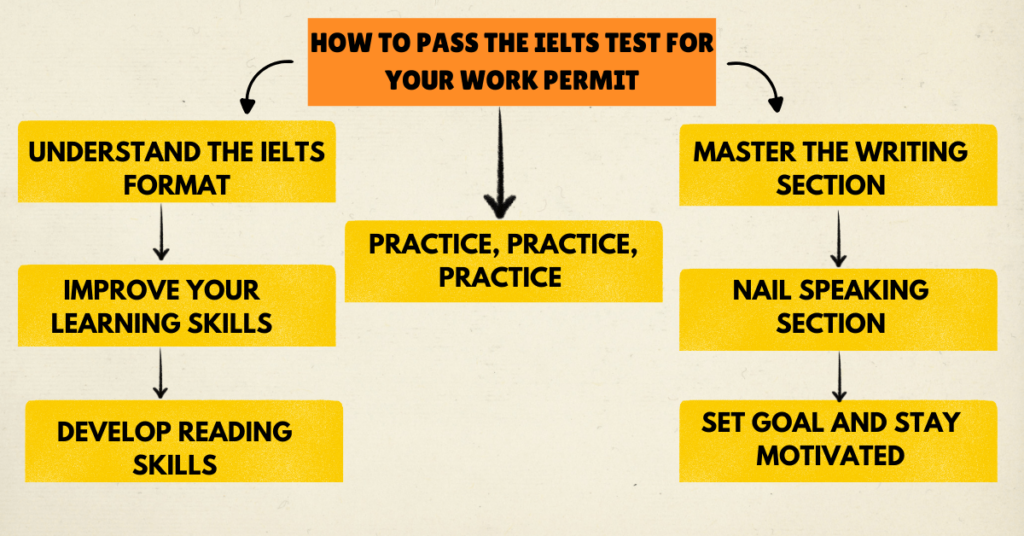
How to Pass the IELTS Test for Your Work Permit

How to Pass the IELTS Test for Your Work Permit

Are you dreaming of securing a work permit abroad? Whether it’s the fast-paced life in Canada, the tech boom in Australia, or the rich cultural heritage of the UK, there’s one crucial step between you and your dream job: the IELTS test. The International English Language Testing System (IELTS) is a requirement for anyone seeking a work permit in an English-speaking country. But here’s the good news – with the right strategy, mindset, and practice, passing the IELTS test is entirely achievable!

This guide will walk you through key steps to crack the IELTS exam and get closer to that work permit you’ve been working toward.

1. Understand the IELTS Format

The IELTS test assesses your English language skills across four areas: Listening, Reading, Writing, and Speaking. Each section is scored on a band scale from 1 to 9. The score you need depends on your destination country and job requirements.

Here’s a quick overview of what each section involves:

  • Listening: 40 questions based on four recorded monologues and conversations. (Duration: 30 minutes)
  • Reading: 40 questions testing comprehension from three texts. (Duration: 60 minutes)
  • Writing: Two tasks, including essay writing and report/letter writing. (Duration: 60 minutes)
  • Speaking: A face-to-face interview with the examiner. (Duration: 11-14 minutes)

Familiarizing yourself with the test format is the first step toward success. Knowing what to expect will help reduce exam anxiety and allow you to manage time effectively.

2. Improve Your Listening Skills with Authentic Resources

The Listening section evaluates not only your understanding but also your ability to follow different accents, word stress, and informal language. You’ll hear speakers from various English-speaking countries, so exposing yourself to different accents is key.

Pro Tips:

  • Watch English-language news channels like BBC, CBC, or Australian Broadcasting Corporation to get used to multiple accents.
  • Listen to podcasts on a variety of topics that interest you. Podcasts are great because they expose you to conversational English.
  • Practice listening to dialogues, interviews, and audio resources where speakers use different accents and speeds.

Regular exposure to authentic English content will sharpen your ability to catch key details and understand various accents, which is essential for scoring well in the Listening section.

 3. Develop Analytical Reading Skills

The Reading section is more than just scanning texts quickly. You’ll need to understand and analyze the material. This section requires you to identify key ideas, understand arguments, and draw inferences.

Pro Tips:

  • Read a variety of texts, such as newspapers, research articles, blogs, and opinion pieces. Focus on publications like The Guardian, The Economist, or National Geographic.
  • Pay attention to how the content is structured. Look at how arguments are presented, evidence is supported, and conclusions are drawn. This practice will help you recognize similar patterns in the IELTS exam.
  • Practice skimming for general ideas and scanning for specific information.

Make it a habit to ask yourself questions like, “What’s the main idea?” and “What’s the writer’s argument?” This will help you prepare for the wide range of texts you’ll encounter during the test.

4. Master the Writing Section with Structured Practice

For the Writing section, structure and clarity are essential. Task 1 typically involves writing a report based on visual data or a letter, while Task 2 requires you to write an essay on a specific topic. Here, you’ll need to demonstrate strong grammar skills and the ability to organize your thoughts logically.

Pro Tips:

  • Task 1: Practice writing short reports or letters. Focus on describing graphs, charts, or data trends in clear, concise language.
  • Task 2: Develop your essay-writing skills using a simple structure: Introduction, Body (two paragraphs), and Conclusion. Ensure each paragraph has a clear point and supporting evidence.
  • Avoid overly complicated sentences. Simplicity and clarity score higher than complex yet unclear writing.
  • Time yourself during practice. Write essays within the 40-minute limit for Task 2, and ensure you don’t spend more than 20 minutes on Task 1.

Aim for coherence (a smooth flow of ideas) and accuracy (correct grammar and vocabulary). These are the hallmarks of a high-scoring essay.

5. Nail the Speaking Section with Fluency and Confidence

The Speaking section can be intimidating because it involves a face-to-face interview with an examiner. However, it’s also one of the most rewarding sections if you can demonstrate fluency and confidence in your speaking ability.

Pro Tips:

  • Practice speaking English daily. Find a language partner or join an online speaking club to practice with native or fluent speakers.
  • Record yourself speaking on random topics, then listen to your recordings to improve pronunciation and fluency.
  • Focus on fluency over perfection. Don’t pause too often to think about grammar. Speak naturally and confidently.

The examiner isn’t looking for flawless English. Instead, they’ll assess how well you can communicate your ideas. Confidence plays a huge role here, so the more you practice, the more comfortable you’ll be during the actual exam.

6. Practice, Practice, Practice

There’s no shortcut to success in the IELTS exam – consistent practice is the key. Schedule dedicated time to practice each section of the test, and simulate real exam conditions whenever possible. This will help you manage your time during the actual test and avoid feeling overwhelmed.

Pro Tips:

  • Use official IELTS practice tests available online or in study books to familiarize yourself with the test format and question types.
  • Join IELTS preparation courses or work with a tutor to receive personalized feedback and guidance.
  • Track your progress by identifying mistakes and weak areas, then systematically work on improving them.

7. Set a Goal and Stay Motivated

Finally, keep your eye on the prize. Passing the IELTS test is your gateway to better job opportunities, higher income, and a world of possibilities. Set clear, achievable goals for each section, and stay disciplined in your preparation.

If you ever feel stuck or unmotivated, remind yourself why you’re taking this test. Your work permit is within reach, and each day of preparation brings you closer to that goal.

Final Thoughts

Passing the IELTS test isn’t just about language proficiency – it’s about preparation, practice, and persistence. By understanding the test format, honing your English skills, and developing the right strategies, you’ll be well on your way to success. Every day you spend preparing is a step closer to that work permit and the dream job you’ve been envisioning.

So, gear up, put in the effort, and get ready to ace the IELTS. Your future abroad is waiting for you!

Stay Connected with Fixolang

For more tips and real-time practice, connect with us on all our social media platforms:

Or download the Fixolang App for instant IELTS practice and feedback:

Prepare smarter, and pass your IELTS test with confidence. Happy learning!

The Importance of Mock Tests in the Best IELTS Preparation Apps

The Importance of Mock Tests in the Best IELTS Preparation Apps

In the journey to achieve a high score in the IELTS exam, preparation is everything. With the right tools, dedication, and a structured approach, success is within reach. Among the myriad of resources available, IELTS preparation apps stand out for their accessibility and convenience. But what truly sets the best of these apps apart is the inclusion of mock tests. In this blog, we will explore why mock tests are crucial in IELTS preparation apps and how they can significantly boost your chances of success.

Understanding the Role of Mock Tests in IELTS Preparation

What Are Mock Tests and Why Do They Matter?

Mock tests simulate the actual IELTS exam environment, offering students a chance to experience what the real test will be like. These tests are designed to mimic the structure, timing, and difficulty level of the IELTS exam. By taking these tests, students can gauge their current level of readiness, identify strengths and weaknesses, and adjust their study plans accordingly.

Bridging the Gap Between Practice and Performance

Practicing individual sections of the IELTS—whether it’s listening, reading, writing, or speaking—is essential. However, without mock tests, there’s a risk of becoming complacent. Mock tests bridge the gap between casual practice and actual performance by forcing students to manage their time effectively, handle exam pressure, and apply their knowledge in a test-like scenario.

Key Benefits of Mock Tests in IELTS Preparation Apps

Time Management and Exam Strategy

One of the biggest challenges in the IELTS exam is managing time effectively. Each section of the test is time-bound, and without proper practice, it’s easy to run out of time. Mock tests help students develop a sense of timing, allowing them to pace themselves across different sections. They also provide insights into which questions take up more time, enabling students to devise a strategy that maximizes their scores.

Identifying Weaknesses and Focus Areas

It’s often said that you don’t know what you don’t know. Mock tests highlight areas where students may be struggling, such as specific question types or sections that require more focus. By pinpointing these weaknesses, students can tailor their study plans to address these areas, ensuring a more balanced preparation.

Building Confidence and Reducing Anxiety

For many students, the thought of sitting for a high-stakes exam like the IELTS can be daunting. Mock tests help alleviate this anxiety by familiarizing students with the test format and question types. As students take more mock tests, their confidence grows, and the fear of the unknown diminishes.

Tracking Progress Over Time

Mock tests offer a tangible way to measure progress. By comparing scores from different mock tests taken over time, students can see how their skills have improved. This not only provides motivation but also helps in setting realistic goals for the actual exam.

Features of the Best IELTS Preparation Apps

Comprehensive Mock Test Libraries

The best IELTS preparation apps offer a wide range of mock tests, covering all four sections of the exam. These tests should be updated regularly to reflect the latest exam patterns and include a variety of question types to ensure comprehensive preparation.

Detailed Feedback and Explanations

Taking a mock test is only part of the equation; understanding why certain answers were wrong is equally important. The top apps provide detailed feedback and explanations for each question, helping students learn from their mistakes and avoid them in the future.

Customizable Test Settings

Everyone has different strengths and weaknesses. The best apps allow users to customize their mock tests, focusing on specific sections or question types. This flexibility enables students to target their practice where it’s needed most.

Real-Time Scoring and Performance Analytics

Instant feedback is a powerful tool in exam preparation. Apps that offer real-time scoring and performance analytics give students immediate insights into their performance, helping them to make quick adjustments to their study plans.

Why Mock Tests Are a Game-Changer in IELTS Preparation

Simulating Real Exam Conditions

The importance of mock tests lies in their ability to replicate the real exam conditions. By simulating the pressure and time constraints of the actual IELTS exam, mock tests prepare students to perform under similar conditions, making the transition to the real exam smoother and less stressful.

Enhancing Problem-Solving Skills

IELTS is not just about knowledge—it’s also about problem-solving. Mock tests present students with complex scenarios that require critical thinking and quick decision-making. Over time, students develop strategies for tackling difficult questions, which can be crucial on exam day.

Encouraging Consistent Practice

Consistency is key in exam preparation. Mock tests encourage regular practice by providing a structured way to review all sections of the IELTS exam. This regular practice helps reinforce learning and sharpen skills.

Boosting Overall Exam Performance

Ultimately, the goal of any IELTS preparation is to achieve the highest possible score. Mock tests play a vital role in this by providing students with the tools they need to excel. From time management to confidence building, mock tests cover all aspects of exam readiness, leading to improved performance.

How to Maximize the Benefits of Mock Tests in IELTS Preparation

Developing a Structured Study Plan

To get the most out of mock tests, it’s important to integrate them into a structured study plan. Start by taking a diagnostic test to assess your current level, and then schedule regular mock tests throughout your preparation. Use the results to adjust your study focus and track your progress.

Reviewing and Analyzing Test Results

After each mock test, take the time to thoroughly review your results. Analyze where you went wrong, and focus on understanding the rationale behind the correct answers. This reflective practice is essential for continuous improvement.

Balancing Mock Tests with Other Study Materials

While mock tests are crucial, they should be balanced with other study materials. Use them alongside practice exercises, vocabulary building, and listening exercises to ensure a well-rounded preparation. This holistic approach will give you the best chance of success.

Seeking Expert Feedback

Some IELTS preparation apps offer the option to submit your test results for expert review. Taking advantage of this feature can provide valuable insights from experienced IELTS tutors, helping you to refine your technique and strategy further.

The Future of IELTS Preparation: AI-Driven Mock Tests

Personalized Learning Experience

The future of IELTS preparation lies in AI-driven mock tests that adapt to individual learning needs. These advanced systems analyze a student’s performance in real time and adjust the difficulty level of questions accordingly. This personalized approach ensures that students are always challenged and never bored, keeping them engaged throughout their preparation.

Predictive Analytics for Performance Tracking

AI-driven mock tests can also predict a student’s potential IELTS score based on their performance in practice tests. By analyzing patterns and trends, these systems provide students with a realistic estimate of their exam readiness, helping them to set achievable goals.

Interactive and Engaging Learning Tools

Future IELTS preparation apps will incorporate more interactive elements, such as gamified mock tests and virtual reality simulations of the exam environment. These tools will make preparation more engaging and less monotonous, helping students to stay motivated throughout their study period.

Conclusion

Mock tests are an indispensable tool in IELTS preparation, offering numerous benefits that can significantly enhance your chances of success. Whether you’re looking to improve your time management skills, identify areas of weakness, or build confidence, mock tests provide a comprehensive solution that bridges the gap between practice and real performance. By choosing the right IELTS preparation app with robust mock test features, you can maximize your study efforts and walk into the exam room with confidence.

Can an IELTS Preparation App Replace Traditional Coaching? Here’s What You Need to Know

Can an IELTS Preparation App Replace Traditional Coaching? Here's What You Need to Know

Let’s face it—life is hectic, and finding the time to attend regular IELTS classes can feel like squeezing water from a stone. Enter the IELTS preparation app: sleek, convenient, and packed with features promising to help you ace the exam. But here’s the burning question: can these apps truly replace the tried-and-true traditional coaching? Let’s unravel the truth behind this digital versus classroom debate.

The Appeal of IELTS Preparation Apps: Why Everyone’s Talking About Them

IELTS preparation app are on the rise, and it’s easy to see why. They offer a modern approach to learning that seems tailor-made for our fast-paced lives. But are they really the game-changers they claim to be?

  1. Study Anywhere, Anytime—Literally: Imagine prepping for the IELTS while waiting for your coffee, during your commute, or in the comfort of your bed. IELTS apps make it possible. The flexibility to study whenever and wherever you want is a massive plus for busy individuals who can’t commit to rigid class schedules.
  2. Learning That Adapts to You: Ever wish your learning material could just ‘get’ you? Many IELTS apps use AI to do just that, adapting to your learning speed, focusing on your weak spots, and pushing you in the right direction. It’s like having a study buddy who knows exactly what you need.
  3. Save Your Wallet: Let’s be real—traditional IELTS coaching can burn a hole in your pocket. In contrast, apps are typically much more affordable, with some offering free versions that are surprisingly robust. For those on a budget, this makes apps a very tempting option.
  4. Instant Gratification: Waiting for feedback from a teacher can feel like an eternity, especially when you’re itching to improve. Apps often provide instant feedback on your practice tests and exercises, giving you the power to correct mistakes on the spot.

The Other Side of the Coin: Where IELTS Apps Might Fall Short

While IELTS apps offer some undeniable perks, they also come with limitations that could be deal-breakers depending on your needs.

  1. No Substitute for a Real Teacher: As smart as these apps are, they can’t replace the wisdom and guidance of a seasoned teacher. Traditional coaching gives you access to expert insights, personalized strategies, and in-depth explanations that apps simply can’t match.
  2. Interaction? Not So Much: Learning is not just about absorbing information—it’s about engaging with it. In a classroom, you can ask questions, participate in discussions, and get immediate clarification. With apps, the interaction is usually one-sided, which might leave you feeling a bit lost on more complex topics.
  3. The Discipline Dilemma: Here’s the thing—studying on your own requires a lot of self-discipline. Without the structure and accountability of a traditional class, it’s easy to slack off or get distracted. Traditional coaching, with its regular schedule and deadlines, helps keep you on track.
  4. Speaking of Speaking…: The speaking section of the IELTS is where many students stumble, and for good reason—it’s tough! While apps can help with pronunciation and vocabulary, they can’t fully replicate the experience of practicing with a real person. In a traditional coaching setting, you get to practice speaking in a supportive environment, which is crucial for building confidence.

The Sweet Spot: Blending Both Worlds

The truth is, you don’t have to choose between an IELTS app and traditional coaching—you can have the best of both worlds.

  • Use Apps to Complement Your Coaching:
    Think of IELTS apps as your on-the-go toolkit. Use them to reinforce what you’ve learned in class, fit in extra practice, and identify where you need more help.
  • Traditional Coaching for the Deep Dive:
    Enroll in traditional coaching to get the personalized guidance and hands-on practice that apps can’t fully provide. It’s where you can ask those tricky questions and get feedback that’s tailored just for you.
  • Consider Online Tutoring:
    If attending in-person classes isn’t feasible, online tutoring could be your golden ticket. It combines the convenience of digital learning with the interactive, personalized touch of traditional coaching.

Final Thoughts: What’s the Best Path for You?

When it comes to preparing for the IELTS, there’s no one-size-fits-all answer. It all boils down to your personal learning style, your goals, and your life circumstances. For some, the convenience and affordability of an app might be all they need. For others, the depth and structure of traditional coaching are irreplaceable.

So, why not blend both approaches? Use the power of an app to supplement the rich experience of traditional coaching, or mix in online tutoring for a personalized touch. Remember, the goal is not just to work hard but to work smart—so choose the path that aligns with your needs and gives you the best shot at IELTS success.

FixoLang App Formerly Known as IELTSvarta

In the evolving field of language learning, innovation is essential to progress. We’re excited to introduce Fixolang, formerly known as IELTSvarta, for this reason. This rebranding is more than just a name change; it’s a detailed redesign meant to significantly improve your user experience.

Why the Change From IELTSvarta to FixoLang?

The shift from IELTSvarta to Fixolang is a reflection of our broader commitment to providing a more versatile and inclusive language learning platform. While IELTSvarta was primarily dedicated to IELTS preparation, Fixolang expands the horizon, offering a more diverse range of language learning resources and experiences.

What’s New in FixoLang?

1. Expanded Course Offerings

One of the most significant enhancements is our expanded course offerings. Fixolang now provides a variety of courses beyond IELTS preparation. Whether you’re aiming to improve your business English, and conversational skills, or preparing for other language proficiency tests like TOEFL or PTE, Fixolang has tailored resources to meet your needs. This diversification ensures that whatever your language learning goals, Fixolang is equipped to support you.

2. Enhanced User Interface

We’ve taken note of your comments and have significantly enhanced our user interface. The redesigned interface makes navigating the app easier than before with its slick, simple, and user-friendly design. You can spend more time learning and less time searching when an interface is simplified and makes it easier to find the resources you need.

3. Personalized Learning Paths

Fixolang is aware that each learner’s path is clearly different. For this reason, we have customized learning pathways based on your individual objectives and degree of expertise. This implies that the information you receive will be most highly relevant to your learning objectives, increasing the effectiveness and efficiency of your educational process. Our sophisticated algorithms evaluate how you’re doing and modify the course content as necessary to keep you challenged but never overwhelmed.

4. Real-Time IELTS Cue Card Practice and Instant Scoring

Effective learning requires both active participation and real-world application. You can now practice speaking in a virtual test setting with Fixolang’s IELTS cue card practice sessions. Furthermore, you can get immediate feedback on your performance with our instant scoring feature. With the help of this tailored feedback, you can better identify your areas of strength and weakness and make sure you’re ready for the test.

5. Comprehensive Progress Tracking

Staying on top of your progress is essential for continuous improvement. Fixolang’s upgraded tracking system provides detailed insights into your learning journey. You can monitor your progress, track your achievements, and identify areas that need more attention. This comprehensive tracking helps you stay motivated and focused on your goals.

FixoLang is an innovative AI-powered IELTS Preparation App that continues to evolve with your language learning needs.

What Stays the Same?

While we’ve introduced many new features and improvements, some things remain unchanged. Our commitment to providing high-quality content and exceptional support continues. AI-powered IELTS Preparation App is still here to guide you every step of the way, ensuring you have the support you need to succeed.

Testimonials: Hear from Our Users

Our users have been at the heart of this transformation. Here’s what some of them have to say about their experience with Fixolang:

Rajesh, an aspiring business professional: “The personalized learning paths have been a game-changer for me. I feel more confident in my English skills than ever before.”

Priya, a student preparing for IELTS: “The real-time cue card practice and instant scoring feature have really helped me understand where I stand and how I can improve. It’s like having a personal tutor available anytime.”

Join Us on This Exciting Journey Experience the future of language learning with Fixolang. Ready to take your skills to the next level?

  • Download Fixolang Today! Begin your language-learning journey with Fixolang’s enhanced features and personalized support. Visit our website or app store to download Fixolang now and embark on a transformative learning experience.
  • Follow Us on Social Media: Stay updated with the latest tips, success stories, and updates by following Fixolang on YouTube and Instagram. Join our community today!

Conclusion: Embrace the possibilities of language learning with Fixolang. Discover how our innovative approach can empower you to achieve fluency and confidence in your target language.